24 Hours in Barcelona
By Wings of Wind Editorial Team10 min readUpdated November 2026Do stage
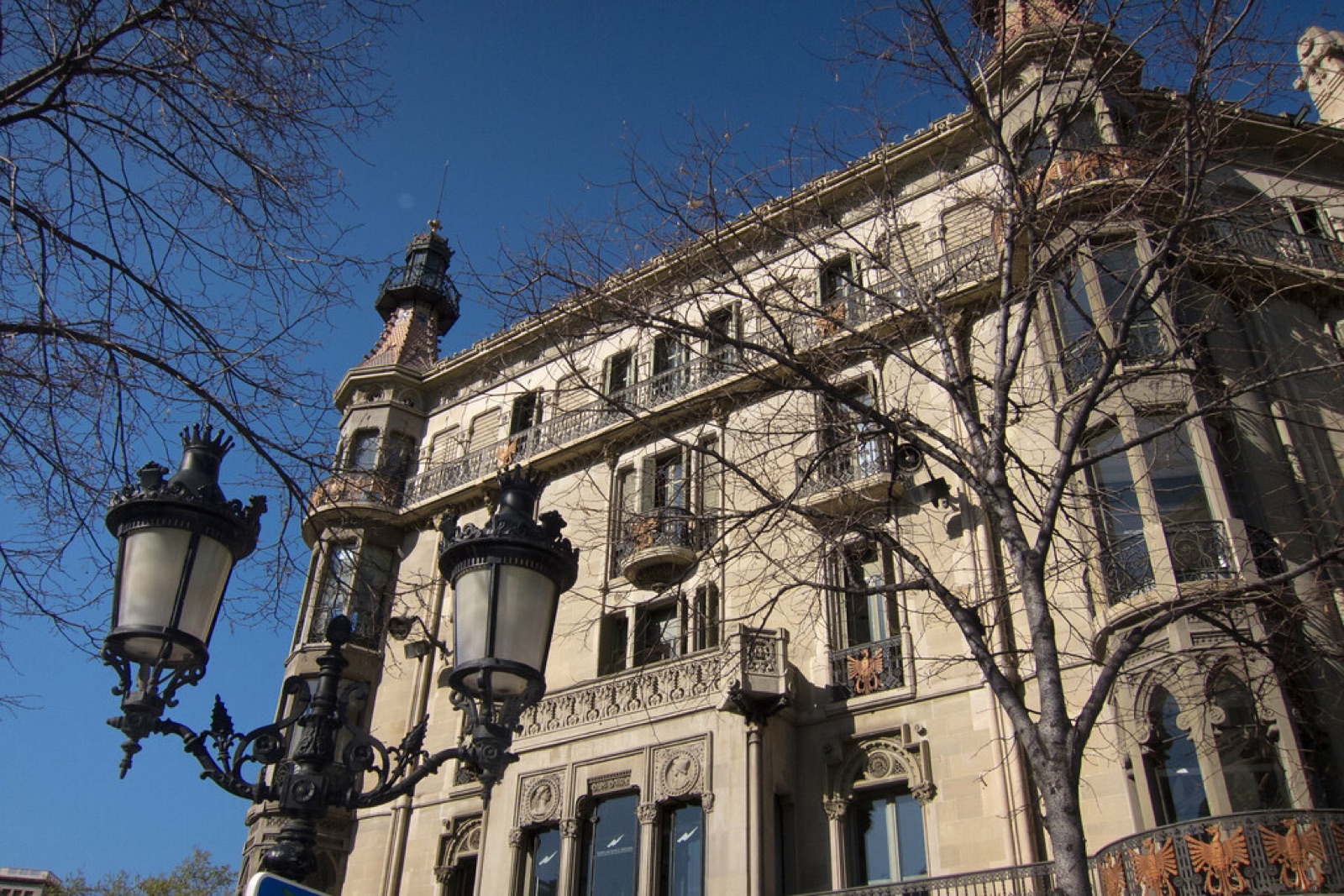
Photo: quinet / CC BY-SA
One day in Barcelona calls for choices, not a checklist. This route links the old city, a major modernist landmark, an unhurried meal and the waterfront, with room to adjust for heat, crowds and your own pace.
Morning: begin in the old city
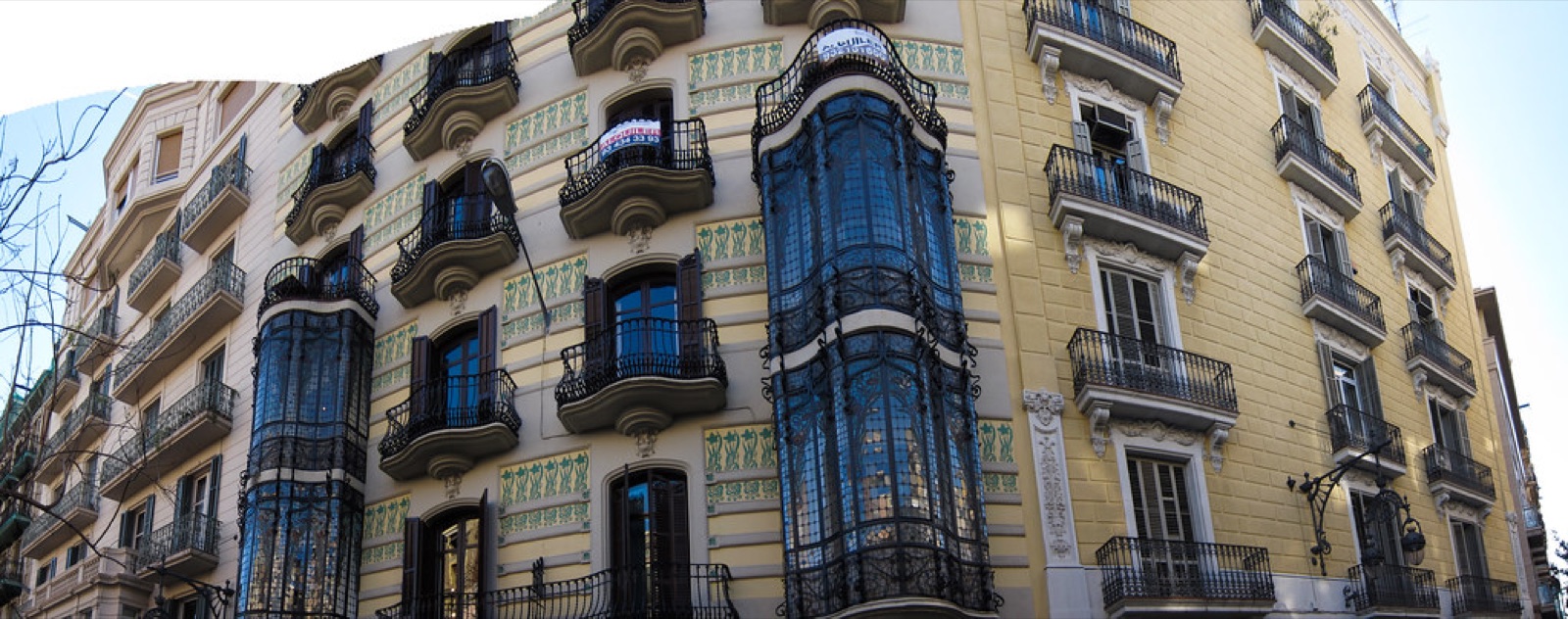
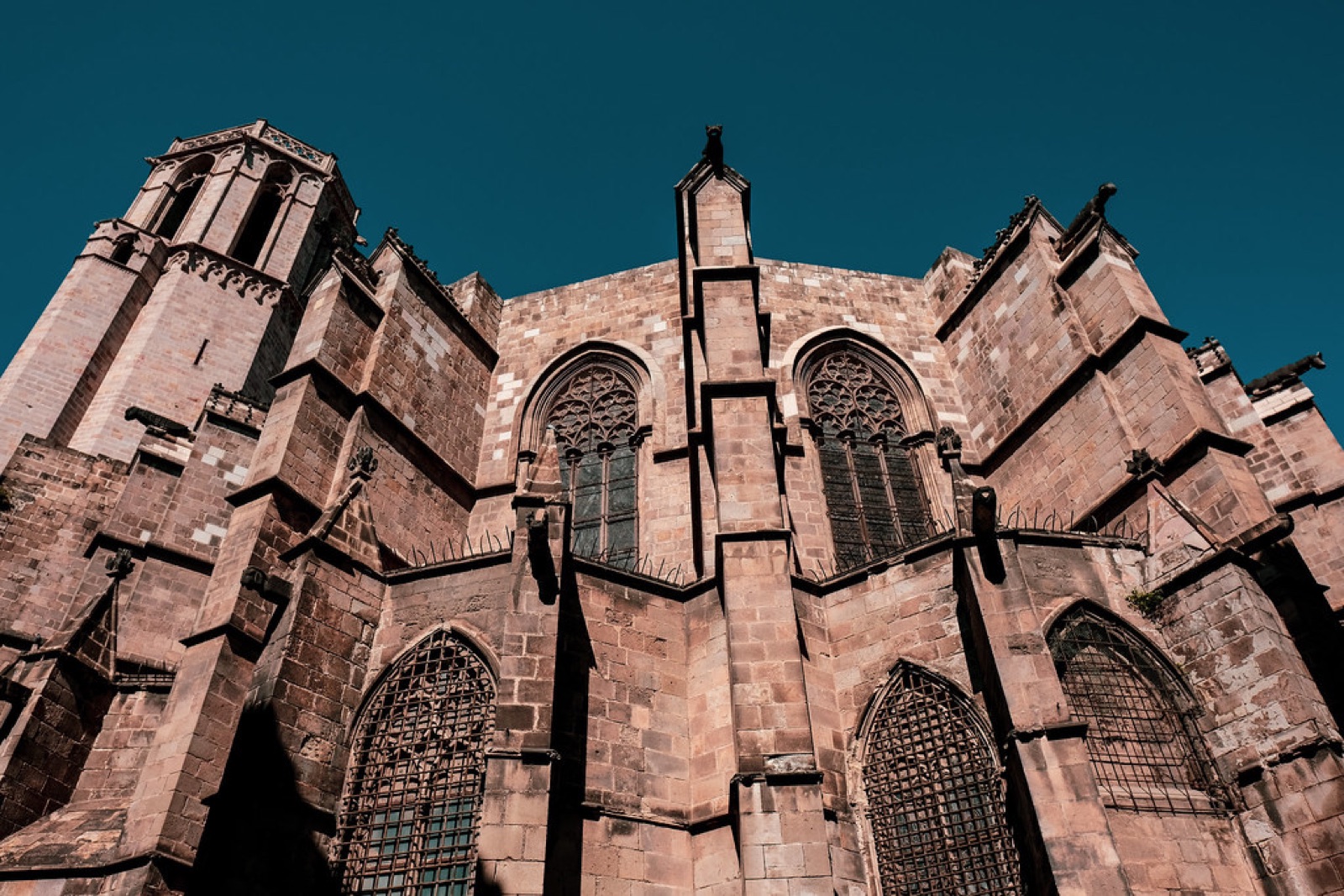
Start around the Gothic Quarter while the day is still gathering pace. Its lanes are not a museum set, but a lived-in part of central Barcelona, with homes, shops, civic buildings and historic fabric sharing a tight street grid. Look up as you walk: details around doorways and balconies can be easy to miss when attention stays at pavement level. The Barcelona Cathedral anchors the area, though the surrounding streets are just as rewarding when approached without a strict checklist.
Give yourself a loose direction rather than trying to cover every lane. Plaça del Rei offers a compact sense of the city's historic centre; nearby, quieter streets may feel more atmospheric than the busiest pedestrian routes. Be considerate in residential passages, especially early in the morning. Keep voices low, avoid blocking doorways for photographs, and remember that the old quarter is a neighbourhood as well as a destination.
A market stop, with realistic expectations
Continue toward La Boqueria, the well-known market on La Rambla. It is a useful place to see produce, seafood and everyday food culture gathered under one roof, but it is also a busy attraction. Treat it as a short visit or a snack stop, not as a guaranteed quiet breakfast room. Stalls and visitor conditions vary, and the market's schedule can change, so check current details before building the day around it. If the crowd is already too much, take breakfast at a nearby cafe instead and keep moving.
La Rambla is worth crossing once if it fits your route, but it need not dictate the whole morning. The promenade is lively and central, yet its popularity brings dense foot traffic and the usual need to keep belongings secure. Do not leave a bag hanging on a chair or a phone on a cafe table. A side street often offers a more comfortable place to pause, and the city's character is not confined to its most famous avenue.
Choose one major landmark
For a one-day visit, make one substantial architectural stop your main commitment. The Sagrada Família is the obvious choice for many visitors: its scale and evolving design are unlike the surrounding Eixample streets. Construction is ongoing, so the building remains a work in progress. That fact is part of the experience, not a reason to expect a finished monument. If going inside matters to you, arrange a timed ticket through the official visitor information in advance and verify the current entry conditions. Availability and access details can change.
Allow time to appreciate the exterior as well as the interior. Different sides of the basilica have distinct sculptural character, and a little distance helps reveal how the structure sits among apartment blocks and broad avenues. Inside, visitors should expect an active place of worship as well as a major sight: dress and behave respectfully, follow posted guidance, and account for security procedures. Skip the tower visit if heights, time limits or queues would make the day feel rushed.
Park Güell is another strong option, but it is not a simple add-on to the Sagrada Família. It lies uphill and takes time to reach; the monumental area uses timed admission, and tickets should be checked and arranged ahead through official channels. The wider park has areas with different access arrangements, so confirm which parts are included rather than assuming the entire site is freely accessible. In warm weather, the climb and limited shade in some stretches matter as much as the map distance.
Pick the basilica or the park as your principal ticketed visit, unless you are comfortable sacrificing time elsewhere and have confirmed both schedules. A day can be better for having seen one place attentively than for racing between two. If you choose Park Güell, consider moving the Gothic Quarter to a shorter early walk and leaving more transit and rest time around the uphill visit. If you choose the basilica, keep the next part of the day flexible rather than rushing straight to another landmark.
Midday: make lunch a real pause
Head toward Eixample or El Born for lunch, choosing based on where you finish your morning and how much walking you want. Eixample's broad avenues and regular blocks make navigation relatively straightforward; El Born offers narrower streets and a compact historic setting. In either area, look for a place whose menu and pace suit you, rather than choosing solely because a photograph is circulating online. Menus, service patterns and opening days vary, so check locally and have a simple alternative in mind.
A sit-down meal can restore energy, but you do not have to turn lunch into a long ceremony. Barcelona's meal times may feel later than those at home, and some kitchens follow their own schedules. If you are hungry before a restaurant opens, a bakery, cafe or market snack can bridge the gap. Drink water, particularly in hot weather, and take a shaded break. The aim is to arrive at the afternoon with some attention left, not to complete a prescribed dining ritual.
Keep the middle of the day light
- Choose a nearby cafe or shaded square for a short rest instead of adding another far-flung sight.
- Browse a few streets in El Born if you are already in the area, without trying to turn every shop into a stop.
- Use a museum or indoor visit as a weather alternative only after checking its current hours and entry arrangements.
- If the heat is strong, reduce the walking distance and carry water; shade and rest are practical parts of the itinerary.
Afternoon: shift toward the sea
Later in the day, make your way toward Barceloneta and the waterfront. The beach is part of the city's urban life, not a secluded resort, and it can be busy. A walk along the promenade is a good choice even if you do not plan to swim. If you do go onto the sand, keep an eye on belongings, use designated facilities where available, and follow posted beach and swimming guidance. Conditions and services vary by season.
Do not assume the beach is the only worthwhile way to end the afternoon. The Port Vell waterfront and the lanes of Barceloneta offer different ways to spend the hour, from watching boats to finding a simple snack. If you are tired, sit for a while and let the city come to you. If the weather turns or the shore is too crowded, head back inland for a quieter walk. Flexibility is more useful than insisting that every part of the day match an ideal picture.
Evening: dinner without a sprint
As daylight softens, decide whether you want to stay near the sea or return toward the old centre for dinner. Barceloneta is convenient after a waterfront walk, while El Born and the Gothic Quarter offer a dense choice of streets and places to eat. The best option depends on where you are and how much energy remains. Check the menu and opening information before settling on a place, especially on a weekday, holiday or quieter season when patterns can differ.
Tapas can be shared, but there is no single correct order or requirement to make a meal out of several stops. Ask what is available, order at a pace that suits your table, and leave room for a second choice only if you want one. For a simpler evening, choose a full meal and then take a gentle walk. Keep an eye on belongings in busy dining areas, and use a licensed taxi or public transport if walking back no longer feels sensible.
A short final stroll can bring the day together: a lit street, a square, or a few minutes beside the water may be enough. You do not need a rooftop view or a late night to earn the feeling that you have been in Barcelona. Some of the best moments are small and unplanned, but leave room for them rather than filling the last hour with one more attraction.
Practical tips for this one-day route
Plan around geography. The Gothic Quarter, La Rambla and El Born sit close together, while the Sagrada Família is in Eixample and Park Güell is farther uphill. Barceloneta and the waterfront are another distinct area. Group nearby stops, and use transit for longer crossings instead of treating the whole route as a continuous walk. The exact time required depends on crowds, weather, mobility and where you begin.
Reserve your energy as carefully as your time. Wear comfortable shoes with reliable grip, carry water, and pack a light layer for changing conditions. In summer, protect yourself from sun and schedule outdoor stretches for cooler parts of the day where possible. In rain, paved lanes can be slippery. Anyone travelling with mobility needs should check access information for individual sites and transport before setting out, because historic streets and steep approaches can be challenging.
For ticketed attractions, use official visitor pages to confirm current times, access rules and ticket availability. Park Güell uses timed entry for its monumental area, and the Sagrada Família has its own current visitor arrangements. Do not rely on an old screenshot or a third-party summary for today's conditions. Keep a backup plan that does not depend on entering either site, such as an exterior walk, a neighbourhood lunch or extra time by the sea.
Keep valuables secure in crowded areas and be alert on public transport, markets and busy promenades. Carry only what you need for the day, and keep important items in a closed bag in front of you. This is ordinary city awareness, not a reason to avoid the places themselves. Respect residential quiet, follow signs at religious and cultural sites, and take photographs without obstructing other visitors.
FAQ: planning 24 hours in Barcelona
Can I visit the Sagrada Família and Park Güell in one day?
It is possible to see both, but it makes a demanding day and leaves less room for the old centre, lunch and the waterfront. Each site needs its own planning, and Park Güell's monumental area has timed entry. Check official details and travel time before committing. For a more balanced first visit, choose one as the main interior experience and see the other on a later trip.
Should I book a timed visit to Park Güell?
Check the current official visitor information before you go. The monumental area uses timed admission, so arrange entry in advance if that area is central to your plan, and confirm exactly what the ticket covers. Access arrangements can change. Do not assume that arriving at any time guarantees entry to the most visited zone.
Is La Boqueria a good place for breakfast?
It can work as a brief food stop, especially if you enjoy market browsing, but it is a popular and often busy place. Its stalls and schedule are not identical every day. If you want a quiet sit-down breakfast, a cafe nearby may be a better fit. Check current market information and avoid making it the only plan for your morning meal.
Can this itinerary be done entirely on foot?
Some sections are pleasant on foot, especially the connected lanes around the Gothic Quarter, La Rambla and El Born. Covering the whole route on foot adds substantial distance, and Park Güell involves an uphill approach. Use public transport for longer hops when useful, and adapt the sequence to your starting point, mobility, weather and energy. A one-day route should be a guide, not a test of endurance.
Keep going
More from DO
Things to see, walking routes, day trips, food, and short city itineraries.
Back to DORelated guides
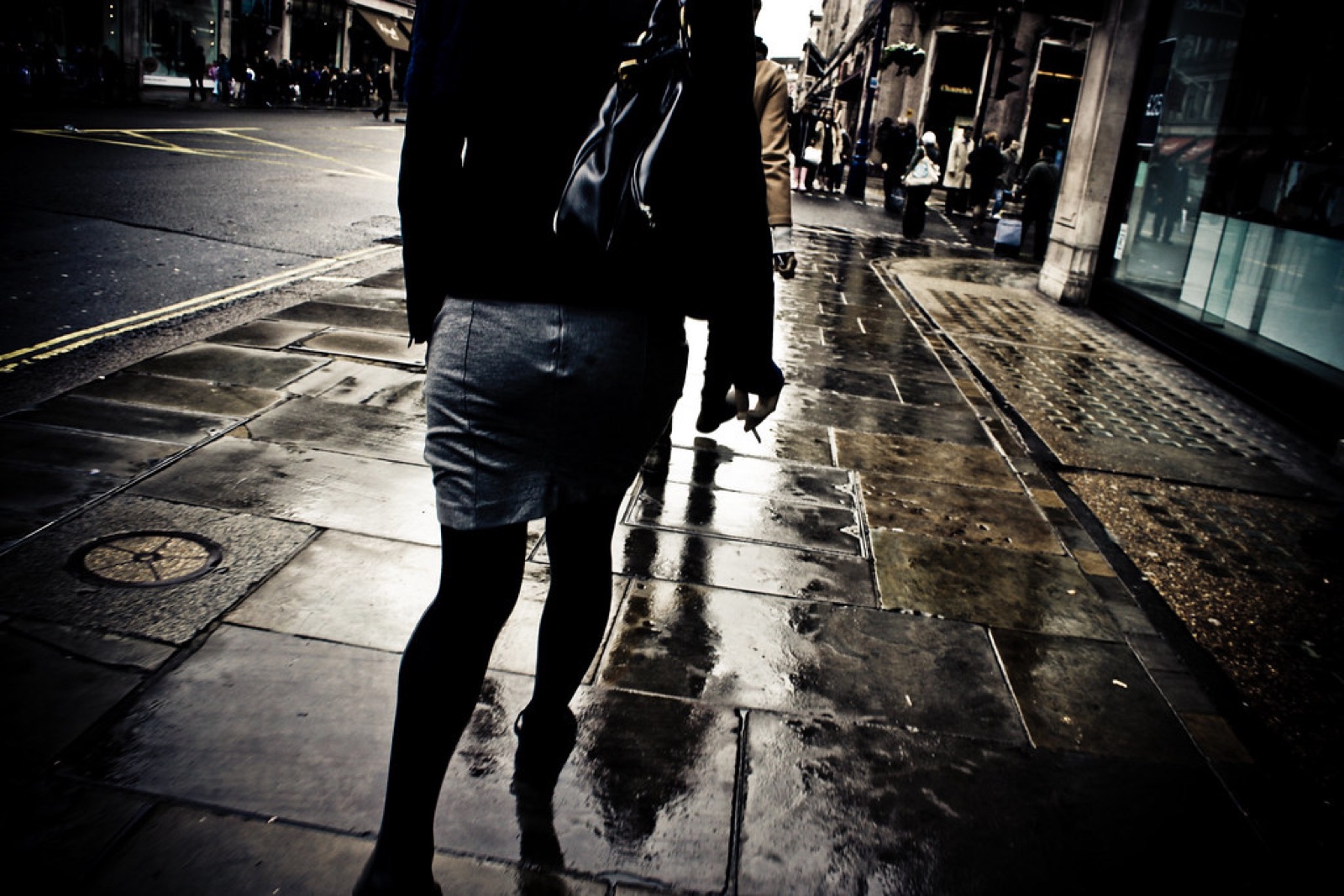
How to Spend a Rainy Day in London
Galleries, arcades, pubs and a route that keeps you mostly under cover.
Read guide
Museums, Beaches and Walking Routes
How to build a day that mixes one big thing with several small ones and still ends well.
Read guide
Day Trips Worth Adding to Your Journey
A good day trip is under two hours each way and changes the texture of the trip.
Read guide