Food and Local Experiences, Without the Queue
By Wings of Wind Editorial Team9 min readUpdated November 2026Do stage
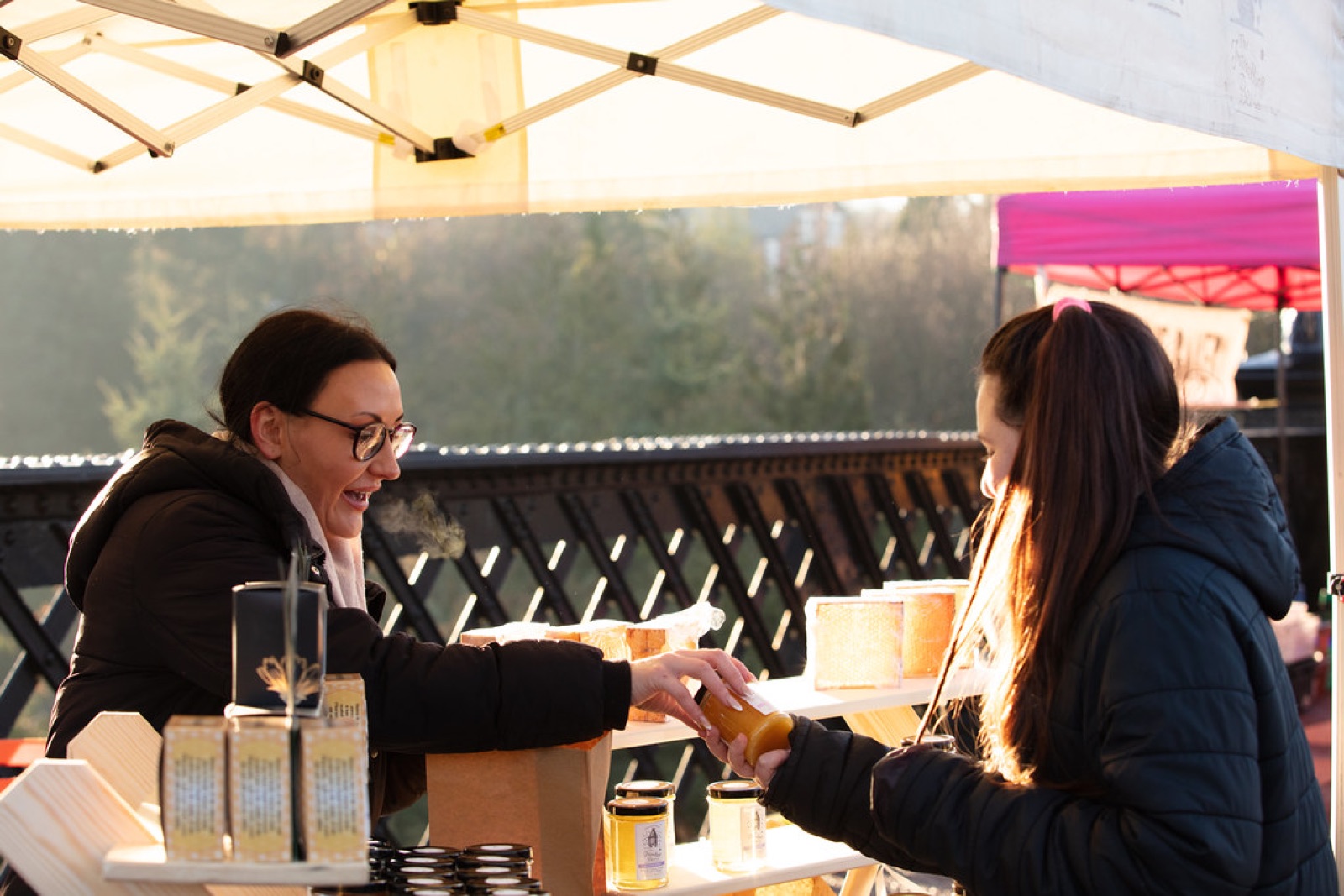
Photo: NewcastleGateshead / CC CC0
A rewarding food day is rarely a contest to find the one celebrated table. Markets, bakeries, ordinary lunch counters and a little attention to local routines can make a destination feel more legible, while leaving room for the unexpected.
Food is part of how a place runs, not just something to schedule between sights. A bakery may be busiest before work; a market may be most interesting early, before its fresh goods sell down. In another neighbourhood, dinner might begin later than you expect. These patterns differ within countries and across seasons, so arrive curious rather than armed with assumptions. A few ordinary meals can reveal more than a carefully staged tasting itinerary.
Start with the everyday food landscape
Markets are useful places to notice what people buy, what is in season and how food is presented. Some serve mainly residents, while others are visitor attractions or a mixture of both. Neither type is automatically better: look at the stalls, the range of goods and whether people are shopping for ingredients, eating a quick meal or browsing. A produce market can be worthwhile even if you have no kitchen. You can learn the names of unfamiliar fruit, see which herbs appear repeatedly, and get a sense of local growing seasons without treating vendors as a performance.
Food halls and covered markets can make sampling easier, especially when different counters offer small portions or distinct regional specialties. They can also be loud and busy, with limited seating. Visit at a quieter time if you want to look around slowly, and check current opening days before making a special trip. A market that operates on certain mornings only may be very different from a daily indoor hall. Listings can lag, so use recent local information where possible.
Bakeries, coffee shops and small grocery stores give another view of daily habits. Notice what is sold to take away, how people order, and whether a quick breakfast is customary in that area. If you want to try something but cannot identify it, a simple question or a point at the display is often enough. Be patient if there is a line; regular customers may already know what they want, and the counter routine may not match the one at home.
Make lunch work for you
In some destinations, lunch is the most practical time to try a sit-down meal. Restaurants may offer a shorter daytime menu, and a midday pause can fit naturally between visits. Elsewhere, lunch is brief, restaurants close between services, or the strongest food scene is in the evening. Avoid turning a broad travel cliché into a rule. Check the hours for the particular place and date, and keep a flexible alternative nearby.
A set lunch, daily special or short menu can be a good way to understand what a kitchen cooks regularly. It is not proof of authenticity or quality on its own. Look for clear descriptions, a menu that suits your appetite and a setting where you feel comfortable. If the menu is unfamiliar, choose one dish you recognize alongside something new, or ask what is included before ordering. A modest, focused menu can be easier to navigate than a long list, but local menus vary for many reasons.
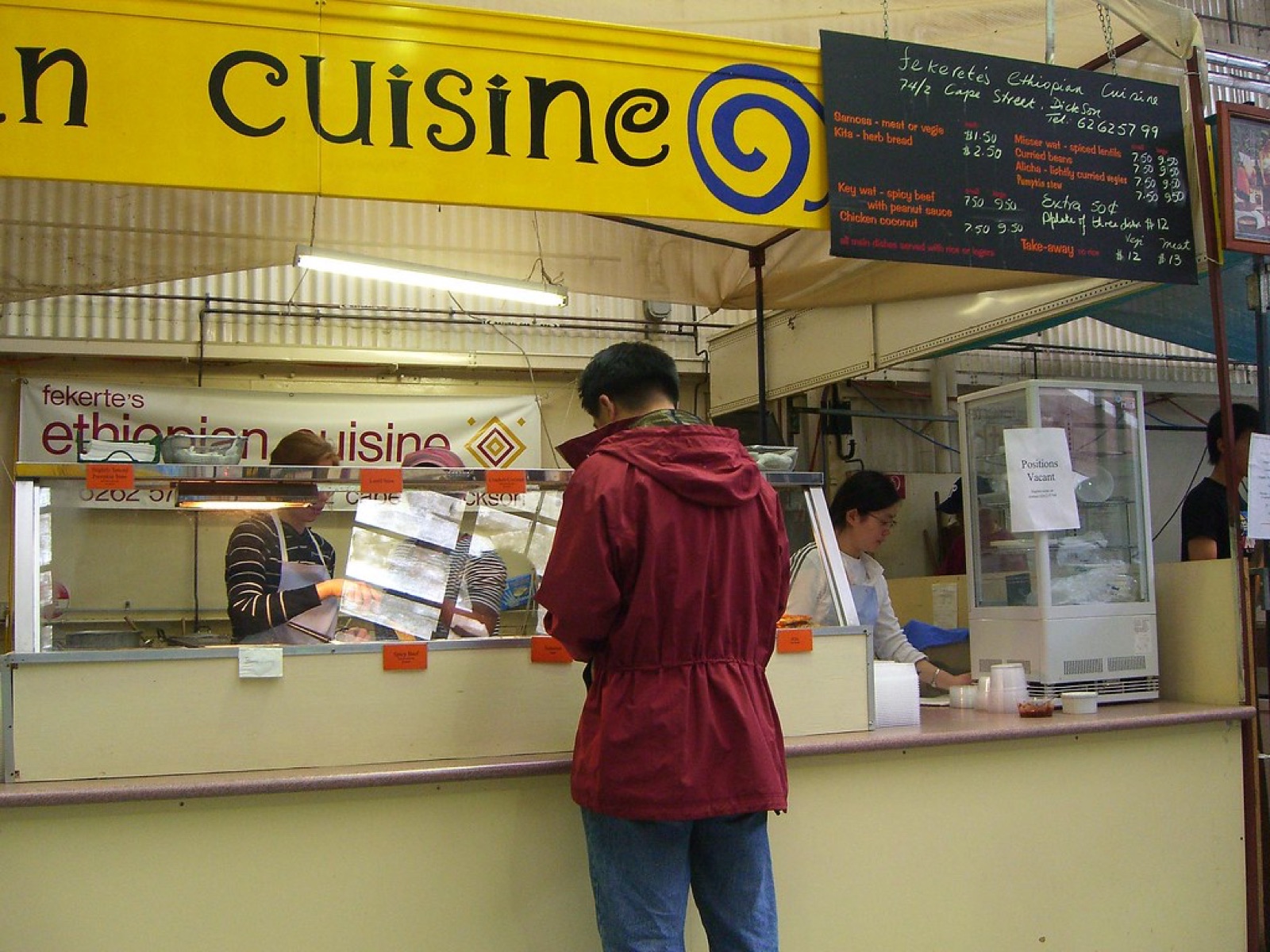
Reading a menu without overthinking it
Menus may list ingredients, cooking methods or regional names that do not translate neatly. A translation app can help with general meaning, but do not rely on it for allergy or dietary safety. If you have a serious allergy, communicate it clearly and verify that the kitchen can accommodate it; uncertainty is a reason to choose another option. For preferences rather than medical needs, ask about a dish or select a familiar alternative. It is also reasonable to leave an item untried if the explanation is not clear.
The most visible restaurant is not necessarily the only good choice, and a queue is not a dependable measure of quality. Consider whether the menu suits you, whether the hours fit your day and how much time you want to spend waiting. A place a few streets from a main attraction may be calmer, but do not assume that walking away guarantees a better meal. Choose on the evidence you can see, and allow yourself to change plans.
Let neighbourhoods shape the meal
Rather than crossing town for every recommendation, group food stops with places you already plan to visit. A morning market can pair with a nearby museum or walk; a bakery can become breakfast before an early train. This leaves more time to notice a district and reduces the temptation to treat meals as separate missions. It also helps if a venue is unexpectedly closed or full: nearby options are more useful than a rigid plan on the other side of town.
Ask a host, shopkeeper or local cultural information source what is characteristic of the area, but treat one answer as a lead, not a universal verdict. People have different tastes and routines. A dish may be associated with a region without appearing on every menu, and food traditions often cross borders or change over time. Reading a little about ingredients and local history can make a meal more interesting, while staying open to versions that differ from what you expected.
Eat with consideration
Basic courtesy travels well, though the details of dining etiquette do not. Learn a greeting and thank you, observe how people order and pay, and follow posted guidance about seating or shared tables. In a busy counter-service place, know what you want before reaching the front if you can. In a slower restaurant, service may be paced differently from what you expect; a meal is not always designed to be hurried. Ask politely when you need something, and avoid interpreting every difference as poor service.
Tipping customs are not universal. In some places a service charge is included; in others, a tip may be customary, discretionary or uncommon, and expectations can vary by type of service and locality. Check current local guidance rather than importing the habit from home. If a bill includes a service line and you are unsure what it means, ask discreetly. Carrying a little local cash can be useful in some settings, but card practices vary too, so do not assume one method is accepted everywhere.
Practical tips for food-led exploring
- Check opening days and service hours for markets and restaurants close to the date of your visit; weekly schedules and seasonal hours can change.
- Build a loose shortlist near your planned route, with at least one casual alternative for a late arrival or a full dining room.
- Look up local names for dietary needs, but confirm important allergy information directly and clearly.
- Carry water where appropriate and consider how much walking, heat or a long museum visit may affect your appetite.
- If you want to shop at a market, bring a reusable bag where suitable and ask before photographing a vendor or stall.
- For a special food tradition, learn whether it is tied to a particular season, day or region instead of assuming it is available everywhere.
- Keep plans flexible: a market may be crowded, a stall may sell out, and a place listed online may have changed its hours.
Food and local experiences FAQ
How can I find a market that locals use?
Look for municipal market information, neighbourhood listings and recent local coverage, then check what the market actually sells and when it operates. Some markets blend everyday shopping with tourism, which is not a flaw. Visit with interest rather than a test of whether a place feels sufficiently local. Buying a small item or simply browsing respectfully are both reasonable ways to take part.
Should I book meals in advance?
It depends on the venue, date and your priorities. A small dining room, a popular seasonal meal or a special occasion may require advance planning, while many casual counters do not take reservations. Check the establishment's own current information and keep alternatives in mind. This guide is informational and does not arrange restaurant reservations.
What if I do not know how to order?
Take a moment to observe the ordering routine, then use a greeting and a concise question. Pointing at a menu item can help where appropriate. If there is a queue, step aside briefly to decide rather than feeling pressured into a guess. Staff may not speak your language, so a translation tool or written dietary note can help, though neither replaces direct confirmation for serious allergies.
Is street food a good choice?
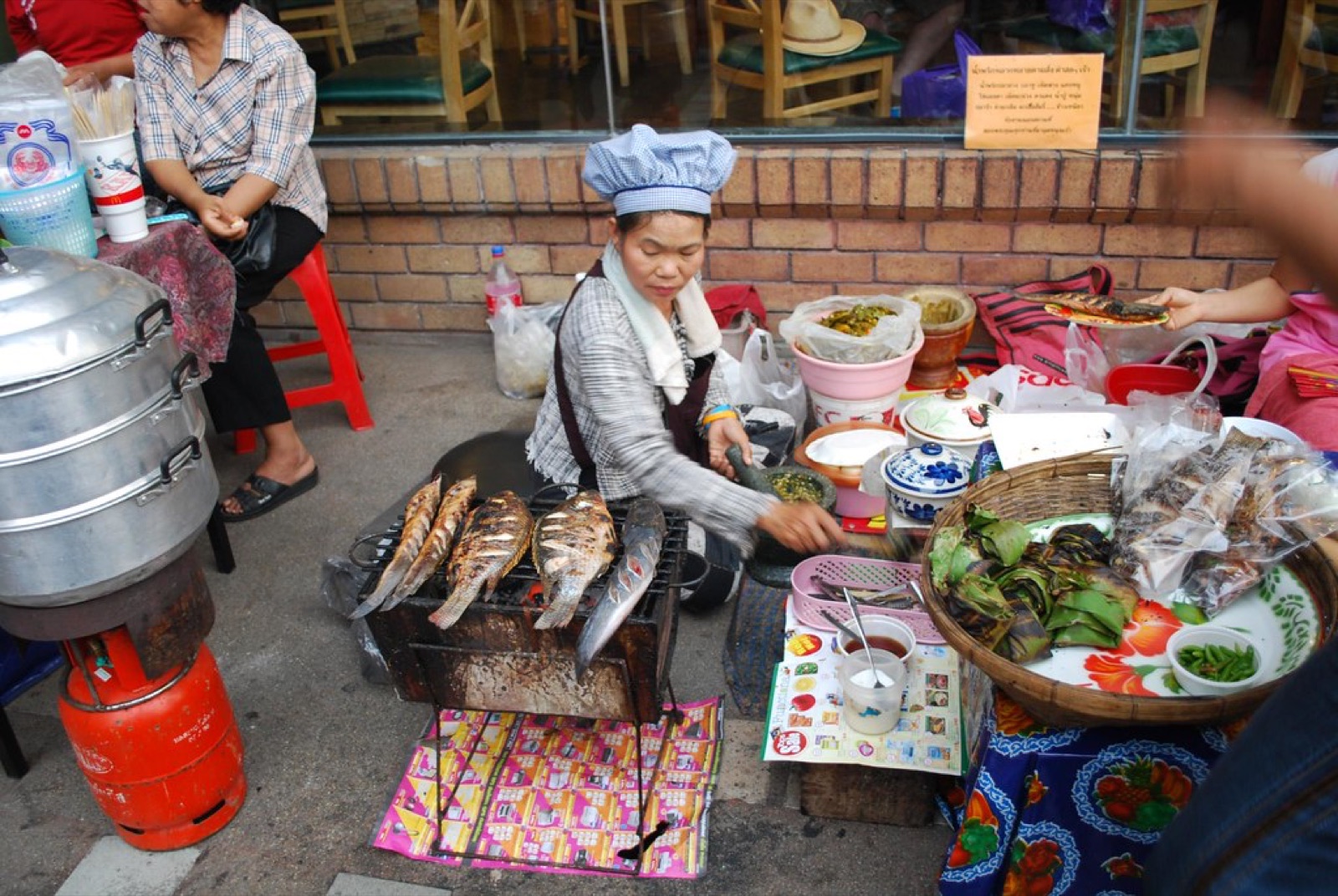
It can be a memorable and convenient part of eating locally, but use ordinary care. Choose food that suits your dietary needs, notice how it is handled and served, and consider whether it has been kept appropriately hot or cold. Standards and conditions vary, and no visual check guarantees safety. If you have health concerns, follow relevant medical advice and make a choice that feels comfortable.
Leave room for the ordinary
A trip does not need a different celebrated meal every day. One good bakery breakfast, an unhurried lunch and a market stop can create a satisfying rhythm. The best discoveries are sometimes small: a familiar ingredient prepared differently, a local bread you return to, or a meal that fits neatly into the day. A little planning helps, but leave some space for a detour and for the place to surprise you. You might get the opening hours wrong once, so keep a backup and don't let a closed door spoil the afternoon.
Keep going
More from DO
Things to see, walking routes, day trips, food, and short city itineraries.
Back to DORelated guides

24 Hours in Barcelona
One full day, walked rather than driven, with time left over for a long lunch.
Read guide
How to Spend a Rainy Day in London
Galleries, arcades, pubs and a route that keeps you mostly under cover.
Read guide
Museums, Beaches and Walking Routes
How to build a day that mixes one big thing with several small ones and still ends well.
Read guide