What to Review Before Leaving a Destination
By Wings of Wind Editorial Team7 min readUpdated November 2026Return stage

Photo: Simbe90 / CC BY
Leaving well involves a final check of your belongings, documents and local obligations. A repeatable review is more dependable than a hurried glance around the room. Start before departure morning where possible, leaving the last few minutes for a deliberate sweep rather than unfinished administration.
Gather the items that must travel with you
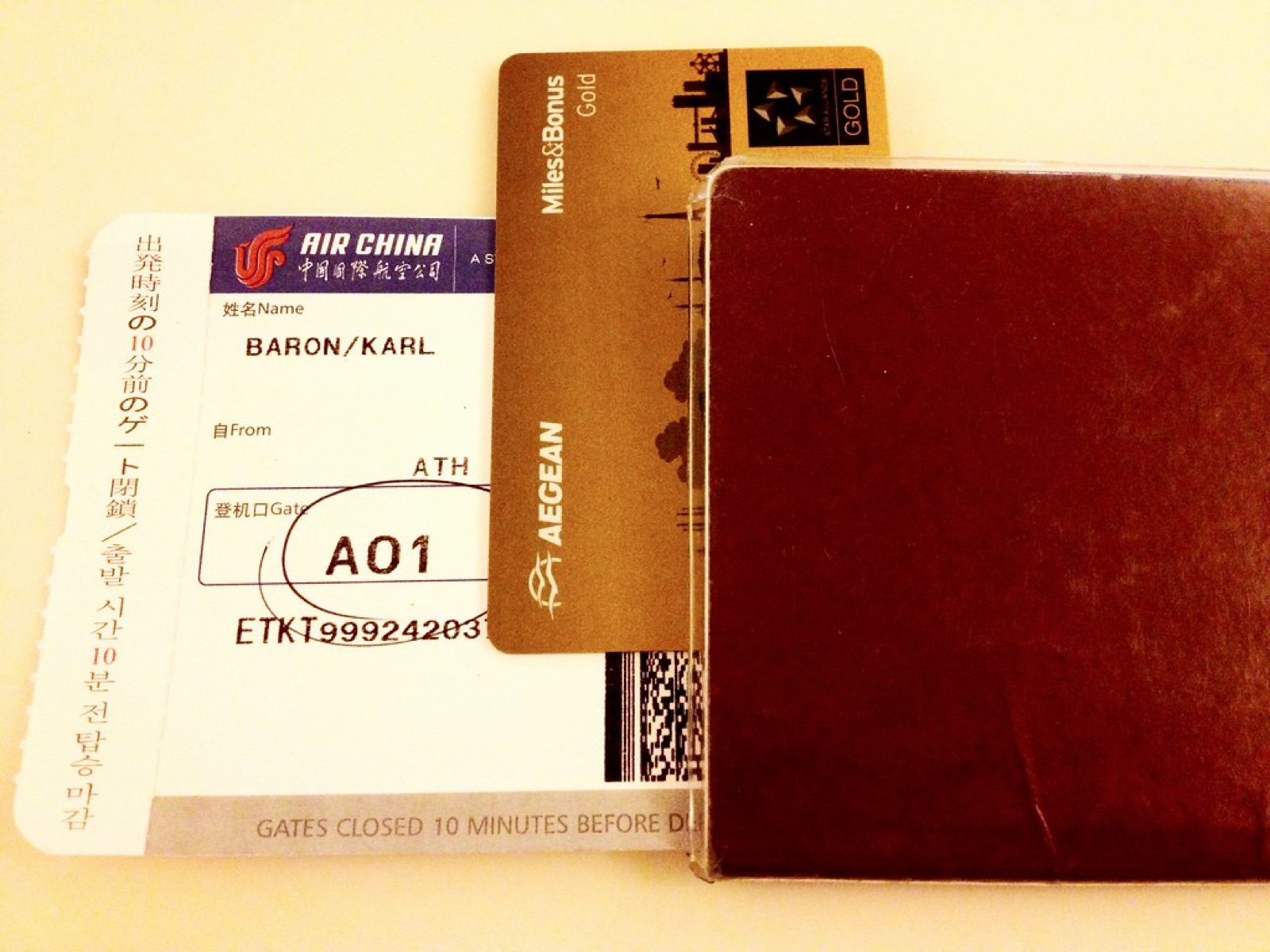
Put your travel documents, essential medication, keys and means of payment in their intended journey bag before sorting less important possessions. Check that you have the actual documents required for the route. A photograph of a passport can be useful in some administrative situations, but it is not a replacement for the original travel document at a border. Verify any required visas, permits or supporting papers against the route you are actually taking, including changes made during the trip.
Open the tickets and check that they are usable, rather than assuming an old screenshot is sufficient. Some systems use changing codes or require an original app or document, so follow the operator instructions. Save whatever offline version is permitted and make sure the device has power. If a boarding pass or ticket still requires collection or a document check, include that task in the departure plan. Discovering it before leaving the accommodation gives you more options than discovering it at a barrier.
Finish local errands before the final morning
Think beyond the room. Have you left clothes with a laundry, bags in another storage location or an item with a host? Check opening hours and collection requirements, especially if you leave early. Return hired or borrowed equipment according to the agreed process. If you cannot collect something yourself, establish a suitable authorised arrangement. Do not leave valuable possessions or sensitive documents dependent on an informal understanding that the person responsible has not actually confirmed.
- Collect stored luggage, laundry, purchases and any documents held through a legitimate service arrangement.
- Check car, bicycle or equipment return times, locations and the evidence required to record a proper return.
- Review outstanding bills and keep receipts for legitimate payments, deposits and any agreed adjustments.
- Confirm the exit procedure for the accommodation, including keys, access cards, parking permits and luggage storage.
Review deposits and final charges carefully
Read the final statement where one is provided and compare it with your booking and actual use. Ask about an unfamiliar item while the relevant information is readily available. A deposit refund and the release of a payment-card authorisation are different processes, and timing can depend on the provider and bank. Obtain appropriate confirmation without assuming funds will appear immediately. Keep records of agreed adjustments and avoid disposing of receipts until the account is settled.
Pack in a sequence that leaves essentials accessible
Pack items you no longer need first, leaving out only the essentials for the final night and morning. Put chargers and adapters together after their last use. Check bathroom shelves, drying areas and laundry bags for damp clothing or small containers. Keep items likely to be needed during the journey in an accessible bag, following carrier and security rules. If a bag might be checked unexpectedly, make sure important documents, essential medication and restricted battery items are handled appropriately.
Review baggage limits and restrictions for the return rather than relying on what worked outbound. Purchases, gifts and a different operating carrier can change the situation. Check official rules for liquids, batteries, food and other restricted items on the actual route. Where customs declarations may be required, review destination government guidance and retain relevant receipts. Buying an item legally at the destination does not automatically mean it can be brought into another country without restriction or declaration.
Make the room sweep systematic
Choose a fixed route through the accommodation and follow it once the bags are largely packed. Check drawers, shelves, the safe, bathroom storage, charging sockets and the area around beds. Look where an item could have slid, but do not move heavy furniture or enter unsafe spaces. Check balconies and drying racks if used. A deliberate route is better than repeatedly looking at the same visible surfaces while overlooking the cupboard you opened on the first night.
If several people share the room, assign areas or ask one person to make a final independent check. Look inside the safe even if you believe it is empty, and leave it according to the property instructions. Check the refrigerator for personal items where relevant. Before closing bags, verify the small collection of essentials by sight. Knowing that a passport was on the desk earlier is not the same as knowing it is now in the bag you will carry.
Confirm the departure route and access arrangements
Check the journey from the accommodation to the station, airport or port on your actual departure day. Include collection of any stored bags and the operator reporting requirements. If you plan to return after checkout, confirm that you will still be able to enter the building or reach the luggage desk. A key returned at checkout may end access. Agree the arrangement in advance rather than assuming the reception or storage area remains available whenever you come back.
For self-catering accommodation, read the stated checkout instructions and allow time for reasonable agreed tasks. Follow instructions for keys, windows and appliances without improvising changes to equipment you do not understand. If there is damage or another unresolved issue, report it through the appropriate channel and retain factual records. Where a rental return includes an inspection, follow the process and keep the resulting paperwork. A clear handover reduces the chance of later disagreement about when and how you left.
Practical tips for a complete departure review
- Place one final checklist where you will see it before leaving, rather than relying on several scattered reminders.
- Charge devices before packing adapters and check that any power bank is carried according to the applicable rules.
- Keep receipts and deposit records together, separating them from papers you no longer need.
- Check the departure address against your ticket, since a city may have several stations, ports or airports.
Protect personal information as you finish. Sign out of accounts used on shared devices, retrieve printed documents and dispose of sensitive papers appropriately. Do not leave a passport copy or a page of booking details in a bedside drawer. Check that you have not left a personal device connected to accommodation equipment. Keep a seperate note of any unresolved charge or missing item so it does not become mixed into the immediate task of reaching your departure.
Set a departure time that allows the review to end without rushing. Once you have completed the sweep and verified essential items, leave rather than reopening every bag repeatedly. If something is missing, distinguish an item that affects travel from a replaceable possession. A forgotten charger and a missing travel document require different responses. Deal with the most consequential problem first, and use the provider appropriate process for any later lost-property enquiry.
FAQ
What should I check before returning the room keys?
Verify essential documents and valuables, complete the room sweep and confirm whether you still need access to stored luggage. Check the agreed key-return procedure and any final account. Once access ends, returning to search a drawer or collect a bag may require staff availability and could delay your onward journey.
Do shopping receipts replace a customs declaration?
No. Receipts can support your records, but declaration requirements depend on the destination rules and what you carry. Review official customs guidance for the actual items, including food, plants and restricted goods. If a declaration is required, follow that process rather than assuming the purchase record alone is enough.
What if I notice a missing item after checkout?
Use the accommodation or relevant service lost-property process and give a factual description of where the item may be. Avoid sharing unnecessary sensitive details. If collection or shipping is possible, clarify responsibility, restrictions and any charges first. The return arrangements needs confirmation before you assume the item is on its way.
Keep going
More from RETURN
Planning the way home and what to check before you leave a place.
Back to RETURNRelated guides

Planning the Way Home
The return leg is a trip of its own. Give it the same half hour you gave the outbound.
Read guide
How to Check Your Return Connections
Timetables change while you are away. A five minute check that saves a long evening.
Read guide
Best Cities for a Weekend Escape
Two nights, one city, and no wasted hours. How to pick a short-break city that is worth the trip.
Read guide