How to Check Your Return Connections
By Ivo Bergmann7 min readReturn stage

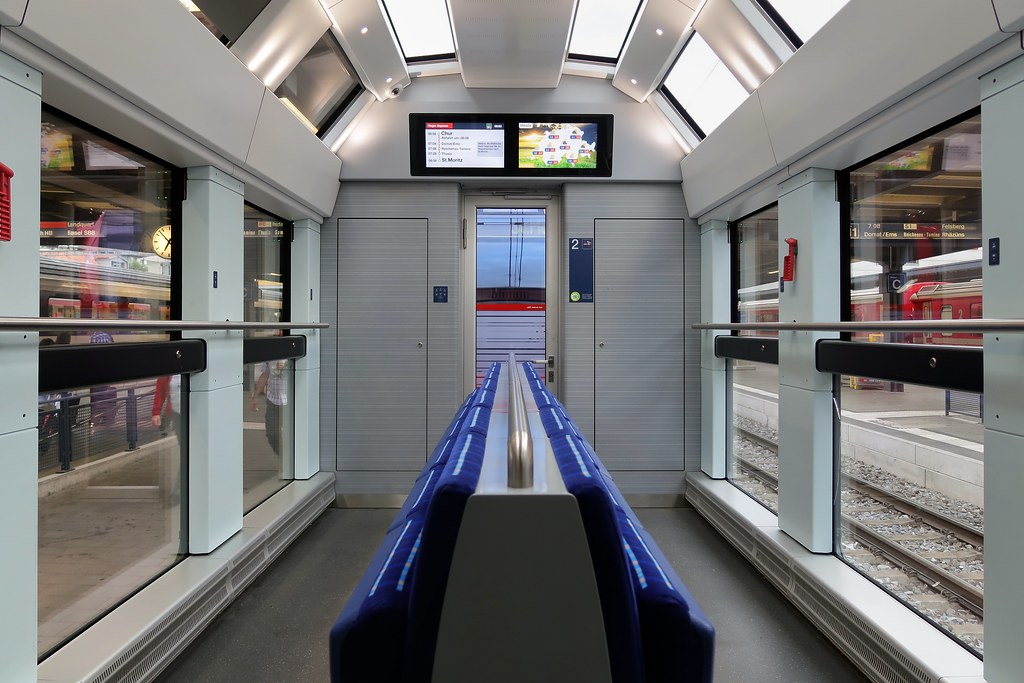
Photo: train_photos / CC BY-SA
Timetables shift while you are away, quietly and without announcement. A five minute check before the last day can save an entire evening of scrambling.
Most people book their return transport once, months in advance, and never look at it again until the morning they need it. That single check at booking time was accurate then. It is not guaranteed to still be accurate by the time you actually travel, and the gap between the two is where a surprising number of missed connections come from.
Why the timetable you booked is not the timetable that matters
Seasonal changes are the most common culprit. Many rail and bus networks shift their timetables between summer and winter schedules, sometimes by weeks rather than days, and a trip that spans that changeover can land you with a departure time that has quietly moved by twenty minutes or vanished from the schedule altogether. Engineering works follow a similar pattern, announced locally with plenty of notice for residents but easy to miss if you booked from abroad and have not looked since.

The five minute check
This does not need to be elaborate. A couple of days before departure, open the operator's own site or app, not the booking platform you used originally, and look up your actual route and time. Confirm the platform or terminal, the departure time, and whether any service alerts are listed for that day. If something has changed, you now have time to adjust, rather than discovering it standing on a platform that no longer has a train going where you need.
- Check the operator's live timetable directly, since third party booking sites do not always reflect last-minute changes
- Search for the route name plus the travel date to catch any posted engineering or service alerts
- Confirm the last possible departure of the day, not just your planned one, in case you need a fallback
- Recheck the night before if your journey involves an early morning departure, when overnight changes are easy to miss
What to do if something has moved
Finding a change is not a problem if you find it early. Look at the alternative departures around your original time and note down a backup before you need one. If the change affects a connecting service rather than the leg you booked directly, it is worth checking whether the operator offers any flexibility, since a known schedule change is treated differently from a simple missed connection. The goal of the check is not to avoid all disruption, which is not always possible, but to make sure you are never finding out about it at the worst possible moment.
This is one of those habits that costs almost nothing and occasionally saves an entire evening, which is a good trade by any measure. Build it into the last couple of days of every trip, and the return leg stops being a source of anxiety, leaving you with more headspace to start thinking about wherever the Go stage takes you next.
Keep going
More from RETURN
Planning the way home and what to check before you leave a place.
Back to RETURNRelated guides

Planning the Way Home
The return leg is a trip of its own. Give it the same half hour you gave the outbound.
Read guide
What to Review Before Leaving a Destination
Receipts, room, documents and the last morning. A short list for the final day.
Read guide
Best Cities for a Weekend Escape
Two nights, one city, and no wasted hours. How to pick a short-break city that is worth the trip.
Read guide