Beach, Nature or Culture: Choosing the Trip You Want
By Wings of Wind Editorial Team9 min readUpdated November 2026Go stage
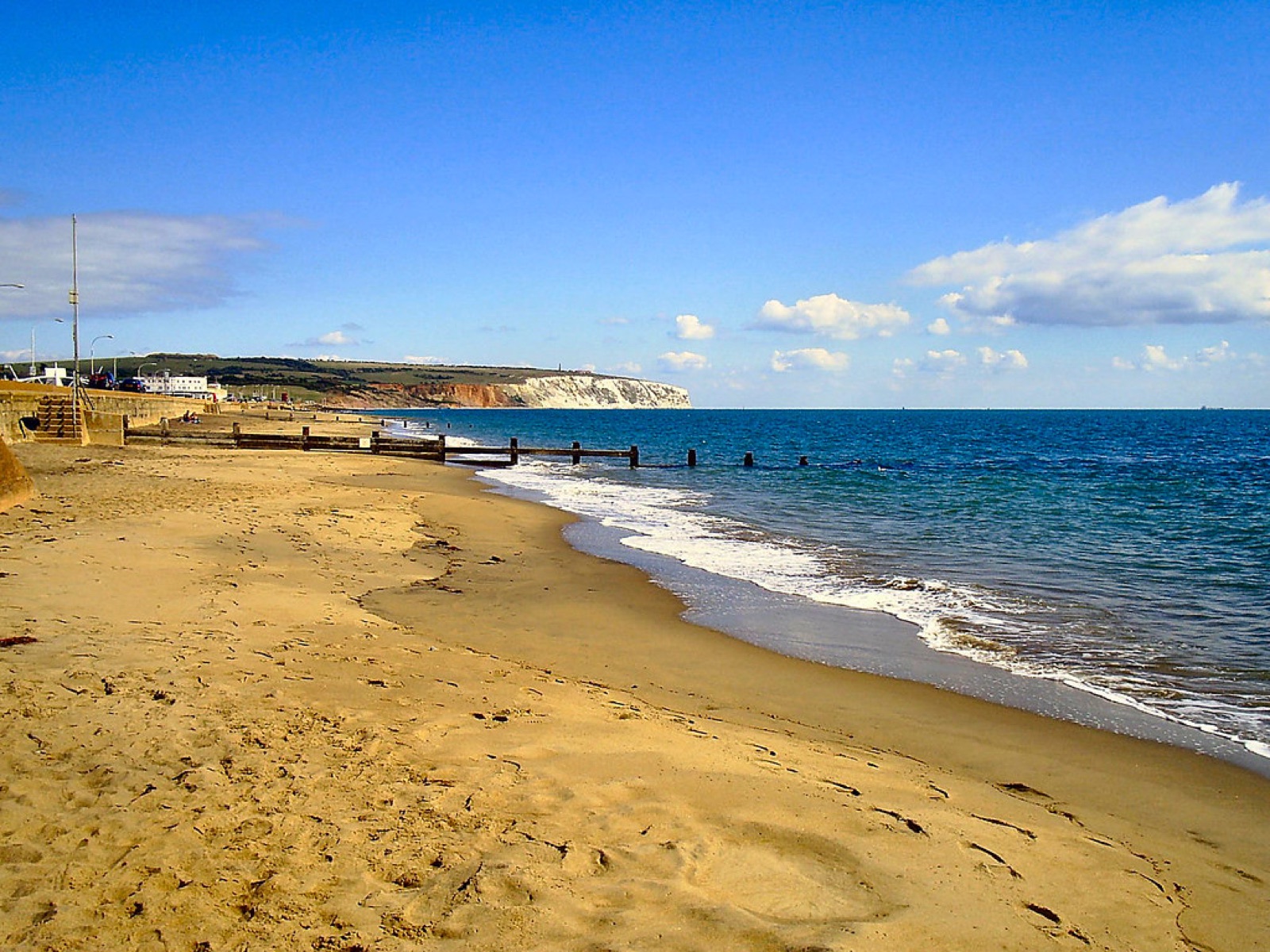
Photo: ronsaunders47 / CC BY-SA
Nearly every trip ends up a mix of beach, nature and culture, but deciding which one leads makes every other choice simpler.
Ask what kind of trip you want and the answer is often all three: sand, scenery, a little history and good food along the way. That's a generous instinct, but a difficult itinerary. A destination may offer all of them while making one far easier to enjoy than the others. Start with the experience you most want to have, not the number of attractions you can fit in. A clear lead priority gives you a useful test for every later decision: does this choice support the trip, or merely add another thing to do?
Start with the feeling you want
Beach-led travel is often about slowing down. The sea is the main event, and the pleasure may be in repeating a simple day: a swim, a meal, a walk, then a long stretch without a plan. That does not mean every coast is restful. Some shorelines are exposed, windy or difficult to reach; some are lively places where music and activity continue late. Think about the sort of beach day you actually enjoy, rather than relying on the word beach to describe it.
A nature-led trip turns attention outward. It could mean walking through a forest, watching birds from a wetland path, visiting a national park, or simply spending time in a landscape that feels different from home. Physical effort varies widely. A nature holiday need not be a string of demanding hikes, and a trail that looks modest on a map can still be tiring in heat, rain or at altitude. Look for the kind of encounter you want, then check what access and preparation it calls for.
Culture-led travel rewards attention. Historic streets, museums, architecture, music, markets, religious sites and everyday routines can all be part of it. It is not a checklist of famous buildings. A place becomes more legible when you leave room to notice how people use its public spaces, what is open on an ordinary weekday, and how food fits into the day. You might come home with fewer dramatic views and a stronger sense of how a place works.
Try describing the trip in one sentence: I want to spend most days by the water; I want to be outside and moving; or I want time to explore a town and its history. If the sentence feels wrong, adjust it. The aim isn't to declare a permanent travel identity. It is to identify the thing this particular break should protect.

Combine two, but give each room
Two priorities can sit comfortably together when they are close enough to connect without making every day a transfer. A city stay followed by time on a nearby coast can work well: concentrated days of museums and neighbourhood wandering, then a slower finish. The order matters less than the change of pace. If arriving at the shore requires a complicated journey, though, the final stretch may consume the rest you hoped to find.
Nature and culture can pair naturally when a town gives you a practical base. You might spend one day in a local museum or historic centre and another on a signed trail or in a protected landscape. Check how each outing begins and ends. A place that looks close on a map may involve limited transport, a steep route or a return journey that is not convenient late in the day. Building a whole afternoon around one area is often more satisfying than racing between several.
The pairing that needs the most care
Beach time and ambitious outdoor exploring can compete for energy, especially on a short trip. A long walk in warm conditions may leave little appetite for another planned activity, while a beach day can make an early trail start less appealing. Neither is a reason to avoid the combination. Give each a defined stretch, and be honest about how much recovery time you want. A gentle coastal path and a swim may belong in the same day; a demanding hike and a full beach schedule probably do not.
It also helps to treat the third element as a bonus rather than a promise. If nature leads, a small local exhibition can add context without becoming another major commitment. If culture leads, a park or waterfront walk can offer a pause. When the itinerary tries to make all three equal, the days can become a sequence of departures, queues and catch-up meals. Leave some blank space; the best discovery may be the one that wasn't booked into the hour.
- Choose the one priority whose absence would make the trip feel like the wrong trip.
- Group activities by area, and account for the return as well as the outward journey.
- Keep the secondary interest modest enough to preserve unplanned time.
- Check seasonal conditions and opening or access information close to travel, especially for outdoor areas.
- Make a poor-weather alternative that still fits the mood of the trip.
Practical tips for choosing your trip
Begin with the calendar you actually have. A weekend and a longer holiday support different rhythms. On a short break, choose one compact area and avoid spending a large share of the available time changing bases. With more days, a second setting can make sense, but it should add a different quality rather than simply extend the list. Check realistic travel times between places, including the walk to a station or trailhead and the time needed to settle in after arrival.
Season is not just a question of temperature. Daylight, rainfall, local holidays, sea conditions and trail access can all shape what a place is like. Conditions vary by region and year, so use current local guidance rather than assuming that a general seasonal label guarantees a particular experience. For outdoor plans, look for official park or land-manager updates. For cultural sites, confirm current opening days and any visitor requirements through the site itself. A closed museum or a route affected by weather can change the balance of a whole day.
Consider your energy and access needs without treating them as afterthoughts. A beach may involve stairs, soft sand or a long walk from transport. A historic centre may have uneven paving, hills or limited shade. Nature access can range from smooth, short paths to remote routes with no facilities. Descriptions are not always detailed, so seek specific information about surfaces, gradients, toilets, seating and transport where these matter to you. Having a backup is sensible, not a failure of planning.
Choose accommodation and a base according to the days you expect to have. If mornings outdoors are central, staying near a dependable route or transport link may matter more than being beside nightlife. For a culture-focused visit, a central base can reduce repeated journeys, while a quiet neighbourhood may suit a slower stay. A beach-led holiday may be easier if everyday necessities are nearby. Avoid moving lodging for a single outing unless the change genuinely saves time or makes the experience better.
Keep the plan flexible at its edges. Decide on the main activity each day, then leave the rest open enough for weather, fatigue or an unexpected invitation. Be considerate at beaches, trails and cultural places: follow local rules, respect restricted areas, and avoid disturbing wildlife or residents for a photograph. In natural areas, stay on permitted routes and take rubbish away when required. Small decisions like these make a visit better for the place as well as for you.

Questions travelers often ask
Can one destination work equally well for all three?
Sometimes, but equal availability does not mean equal time is wise. A coastal city may have a beach, nearby hills and a rich cultural life, yet travel between them can still take effort. Choose a lead interest and use the others as complementary options. If you have enough days and an easy base, you can shift the emphasis naturally. For a short stay, being selective usually produces a more coherent experience than trying to prove the destination offers everything.
How do I choose when the weather is uncertain?
First separate activities that depend on conditions from those that remain enjoyable in a range of weather. A beach holiday may still offer walks, local food and indoor visits, but the central promise changes if swimming or sunbathing is not appealing. A nature trip can include shorter routes or visitor centres, depending on local access. Look up seasonal patterns and current forecasts, but don't treat either as a guarantee. Decide whether the alternative version of the trip would still feel worthwhile to you.
Should I plan every day in advance?
Plan the parts that are difficult to improvise: transport connections, timed entry where relevant, weather-sensitive outings and any activity with limited access. Leave ordinary meals, neighbourhood walks and rest more open. This balance is especially useful when your priorities differ, because you can protect one important experience without making the rest of the holiday feel tightly managed. If plans change, the day still has room to become something else.
What if my travel companions want different things?
Compare the experiences behind each preference. One person may want a quiet swim, another a coastal walk; those can fit together if expectations are clear. Agree on a shared anchor for each day, then allow independent time where practical. A trip does not require everyone to enjoy every activity. It does require realistic conversations about pace, mobility, transport and how much time each person wants to spend together. A little space can keep differences from turning into friction.
Once the lead priority is settled, the rest of the trip becomes easier to shape. Keep the plan responsive to conditions and to your own energy. You do not need to experience every version of a destination to feel that you have seen it; one unhurried day, noticed properly, can tell you more than a hurried tour of all its labels.
Keep going
More from GO
Where to go, and what destination might actually fit the journey you have in mind.
Back to GORelated guides

Best Cities for a Weekend Escape
Two nights, one city, and no wasted hours. How to pick a short-break city that is worth the trip.
Read guide
Where to Go for Your Next Long Weekend
Three or four days changes what is realistic. A way of thinking about distance, season and pace.
Read guide
Best Destinations for Solo Travelers
What makes a place easy to travel alone in, and how to judge that before you commit.
Read guide