Best Destinations for Solo Travelers
By Wings of Wind Editorial Team10 min readUpdated November 2026Go stage
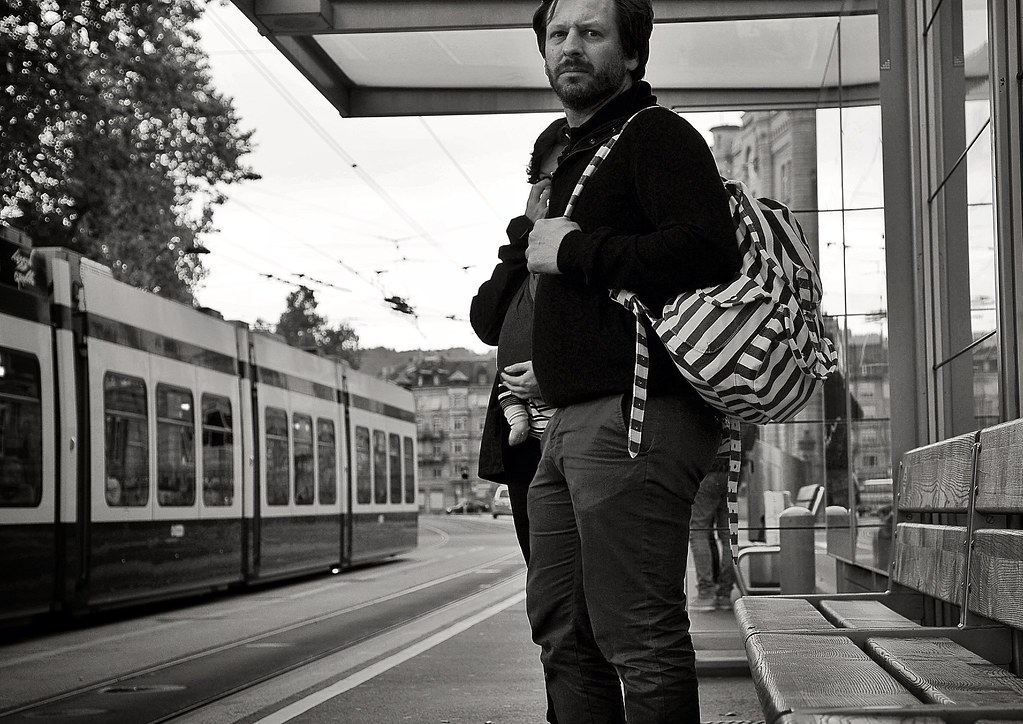
Photo: Thomas8047 / CC BY
Travelling alone is less about bravery and more about choosing a place whose everyday rhythms leave room for you. The best solo destinations make it straightforward to get around, find a good meal, and decide what the day becomes next.
Solo travel gets romanticised as a mindset, but a lot of it comes down to the practical texture of a place. A clear station map, a lively street at lunchtime, and a café where lingering over a book feels ordinary can matter more than a famous view. Some cities make a lone visitor feel unremarkable and at ease; others make every small decision feel like a test. That difference is worth considering before choosing a destination.
What makes a destination work solo
There is no universal ranking of the best places to travel alone. Comfort depends on your experience, language skills, mobility, budget, interests, and the time of year. Instead of chasing a single list, look for a useful mix: legible transport, walkable districts, activities that work for one person, and enough public life that you are not dependent on nightlife or organised tours to feel occupied.
A compact city can be an especially good first choice. It is easier to recognise the route back to your accommodation, return to a neighbourhood you liked, and make a plan without spending half the day crossing town. Bigger cities can be excellent too, particularly when their transit network is easy to understand, but it helps to choose one or two areas as a base for each day rather than trying to cover the whole map.
Public transport tells you a lot
A city with clear, frequent public transport gives a solo traveller independence without the stress of navigating unfamiliar roads or relying on a car. Check how to travel from the airport or station to the area where you plan to stay, and whether service continues at the hours you expect to be out. The last journey of the evening deserves as much thought as the first one in the morning.
Look beyond a route map. Can you understand how to pay? Are stops announced or displayed clearly? Is there an official transit app or a dependable map service? These details vary by city, and information can change, so use the transport operator's current guidance rather than relying on an old blog post. Save the address of your accommodation offline, and keep a simple alternative route in mind for service interruptions.
Choose a base that suits your actual days
The cheapest or most central-looking area is not automatically the right one. Consider what you will do in the morning and how you will return after dinner. A neighbourhood close to a transit interchange may be convenient, while a quieter residential district may offer a calmer routine. Read recent accounts about the specific streets you are considering, and check the distance to a station on foot, not just as a straight line on a map.
For a first visit, one well-connected base often beats changing accommodation repeatedly. You can learn the local route, leave belongings in one place, and take day trips if they make sense. When selecting a stay, read its current policies and accessibility details carefully. Solo does not mean you need to choose the most social option; a private room, a small guesthouse, or a larger hotel can each suit a different kind of trip.
Eating alone without making it a project
Meals are a surprisingly useful test of a destination. In some places, counters, food halls, bakeries, and casual restaurants make dining alone feel entirely routine. In others, the evening meal can feel more formal. A little planning helps: save a few places that serve food you like, check their opening days, and consider eating your main meal at lunchtime if that better fits the local rhythm.
Markets and food halls can be easy places to sample a range of local dishes without committing to a long dinner. They also provide a natural pause in the day. But do not assume every market operates daily or late into the evening; verify schedules locally. If you prefer a sit-down meal, bringing a book or choosing a seat at a counter may make the first few minutes feel easier. It is also fine to take food away and eat somewhere comfortable.
Language, signs, and small uncertainties
You do not need a destination to speak your language fluently, but clear signage reduces the small frictions that accumulate when you are managing everything yourself. Learn a few polite local phrases, keep names and addresses written down, and download offline maps or translation resources when useful. A screenshot can help when mobile coverage is patchy, though it should not replace checking current opening times or transit notices.
- Look for a lively daytime culture as well as evening entertainment, so the trip does not depend on nightlife.
- Check the route back to your stay and the transport timetable before setting out for a late event.
- Read recent traveller accounts for practical details, while treating personal comfort and safety as individual rather than universal.
- For a first solo trip, consider a smaller city or a few familiar neighbourhoods within a larger one.
- Choose activities that are satisfying alone, such as museums, gardens, walking routes, food markets, or a class with a clear schedule.
Find company without surrendering your own pace
Travelling solo does not require being alone every hour. Walking tours, museum tours, group hikes, cooking classes, and small-group day outings can provide structure and conversation without turning the whole trip into a group holiday. Choose an activity because it interests you, not because you feel obliged to meet people. A scheduled event can also be a gentle way to get oriented on the first day.
Libraries, public gardens, cafés, and cultural venues offer a different kind of social ease: being among people without needing to perform sociability. If you stay in a hostel or guesthouse, shared spaces may make conversation easier, though the atmosphere and rules vary widely. Check recent descriptions and decide how much privacy you want. There is no correct ratio of conversation to solitude; it may change from one day to the next.
Safety as a set of practical habits
No destination can promise a risk-free trip, and safety advice should not be reduced to a list of supposedly safe cities. Conditions differ by neighbourhood, time, identity, health needs, and current events. Read the latest official travel advisories for your destination, follow local guidance, and make choices that fit your own circumstances. Recent local reporting can add context, but a single alarming story is not a complete picture.
Keep essential documents and a way to access them separate from your everyday bag. Share your general itinerary with someone you trust if that suits you, and have a plan for getting back if your phone loses power. Notice how you feel on a street and give yourself permission to change direction. These are ordinary precautions, not reasons to be fearful. In some places, walking back alone after dark is simply not the best plan, so consider a daytime return or a well-used route.
Practical tips for planning a solo trip
Start by matching the place to the kind of trip you want. If your priority is food, research casual dining and market days. If it is art, check museum opening schedules and weekly closure days. If you want nature, establish how trailheads are reached and whether routes are suitable for your experience and the season. A destination is not automatically convenient because it is popular; the details of your own itinerary matter more.
- Arrive with enough daylight to find your accommodation and understand the immediate area, when your schedule allows.
- Save your lodging address, transit details, and key reservations offline, and keep your device charged for navigation.
- Check current entry rules, transport notices, attraction hours, and local holidays close to departure.
- Build a loose plan with one anchor activity each day and room for meals, rest, and unexpected discoveries.
- Pack for the weather and the activities you have chosen, not for an imagined itinerary that changes every hour.
- Keep a backup payment method and a modest reserve of essentials separate from your main wallet.
- If you have accessibility, dietary, or medical needs, confirm the relevant facilities and services directly with authoritative local sources before travelling.
A flexible plan is not the same as arriving with no information. Decide what matters most, then leave space around it. You might discover that a neighbourhood is more interesting than the headline attraction, or that a rainy afternoon makes a museum the better choice. On your own, changing the plan can be wonderfully simple, but basic preparation still makes those changes feel like choices rather than emergencies.

FAQ: solo travel destinations
What is a good first destination for a solo traveller?
Choose somewhere that matches your comfort level rather than a destination with a reputation for being easy. A compact, walkable city with understandable public transport, plenty of daytime activities, and accommodation in a well-connected area can be a manageable start. Familiarity with the language or food may help, but it is not essential. A short first trip can also help you learn what kind of solo travel you enjoy.
Are large cities a poor choice when travelling alone?
Not at all. Large cities offer museums, neighbourhoods, transit, and activities for many interests. Their scale can be tiring, so make the trip smaller by choosing a convenient base and exploring one district at a time. Check how you will move between areas, especially later in the day, and avoid building an itinerary that depends on crossing the city repeatedly.
How can I feel less awkward dining alone?
Start with a café, market, counter-service restaurant, or lunch spot where people come and go. Bring something to read if you like, or focus on the food and surroundings. You can also choose takeaway for a meal when that feels more comfortable. Most importantly, plan around your own appetite and preferences; a solo meal does not need to become a confidence exercise.
Should I join group activities to meet people?
Only if the activity appeals to you. A guided walk or class can be an easy way to share an experience, but solo travel also works beautifully with quiet days and no new acquaintances. Pick a format with a clear meeting point and schedule, check what is included, and leave yourself time afterwards. The best balance is the one that makes the trip feel yours.
A destination that suits solo travel is not necessarily the one with the most famous sights. It is the place where you can find your own rhythm: an easy morning route, a meal you look forward to, a worthwhile afternoon, and a comfortable way back. Start with those everyday details. The larger moments tend to follow, and even a small detour can become the part you remember best.
Keep going
More from GO
Where to go, and what destination might actually fit the journey you have in mind.
Back to GORelated guides
Best Cities for a Weekend Escape
Two nights, one city, and no wasted hours. How to pick a short-break city that is worth the trip.
Read guide
Where to Go for Your Next Long Weekend
Three or four days changes what is realistic. A way of thinking about distance, season and pace.
Read guide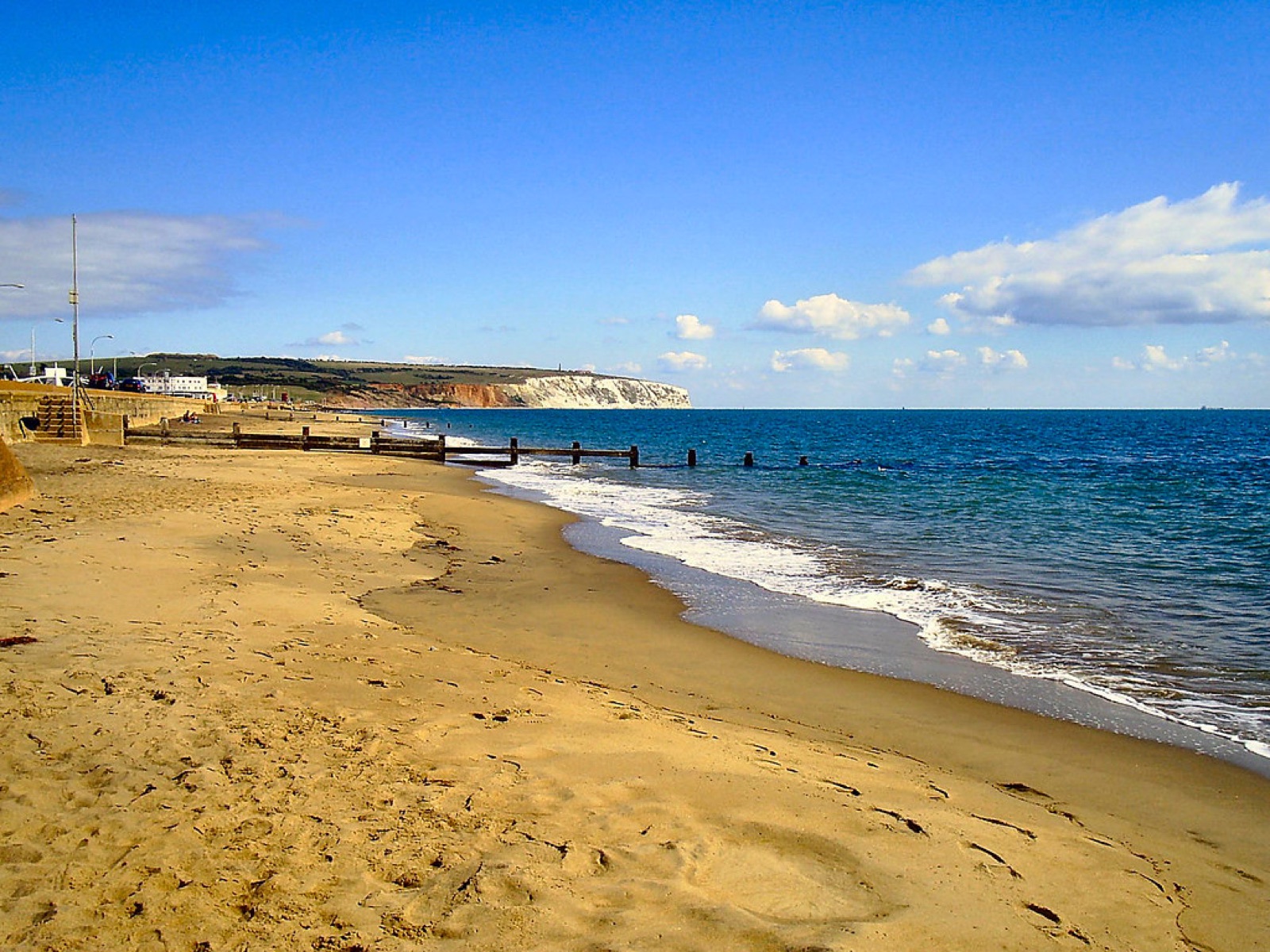
Beach, Nature or Culture: Choosing the Trip You Want
Most trips end up being a mix. Deciding which one leads makes everything else simpler.
Read guide