Where to Go for Your Next Long Weekend
By Tomas Reyes8 min readGo stage

Photo: marfis75 / CC BY-SA
Three or four days changes the maths of a trip entirely. Here is how distance, season, and pace should shape where you point yourself next.
A long weekend sits in an awkward middle ground. It is too short for the sprawling itinerary of a proper holiday, but too long to treat like a simple overnight escape. The trick is being honest about what four days actually allows, and building the destination choice around that rather than around a wish list built for a fortnight.
Set a distance budget first
Decide, before you look at any destination, how much travel time you are willing to spend relative to time on the ground. A long weekend can comfortably absorb a half-day journey each way if the destination rewards it, but flying across several time zones tends to swallow a day at each end in recovery and jet lag. Treat your travel hours as a budget you are spending, not a formality to get through.

Let the season choose the shape of the trip
Four days in a coastal town in shoulder season can feel unhurried and full. The same four days in peak summer, in the same town, can feel like queueing with better scenery. Season affects not just weather but crowd density, opening pace, and how far you will realistically want to walk in the heat. If your dates are fixed, let the season decide the type of place rather than forcing a destination that suits a different time of year.
One base or two
The other real decision is whether to stay in one place or split the trip across two. One base means less time in transit and more time settled, which suits slower travellers or anyone visiting somewhere they want to actually get to know. Two bases suit trips built around contrast, a coastal town and a nearby city, for example, but every change of base costs at least half a day once you count packing, checking out, and settling in again.
- One base works well for cities, food-focused trips, or anywhere with enough day-trip options nearby
- Two bases work well when the destinations are genuinely different in character, not just geographically close
- Avoid more than two bases on a four-day trip, since the changeover time starts outweighing the benefit
- Build in one unplanned half-day regardless of the structure, for weather, tiredness, or a place you fall for

Pace matters more on a long weekend than on any other kind of trip, because there is no slack day to recover a wasted one. Once the destination and structure are settled, the next questions are practical: how you will move between places if you choose two bases, and what kind of stay actually suits the rhythm you have planned.
Keep going
More from GO
Where to go, and what destination might actually fit the journey you have in mind.
Back to GORelated guides

Best Cities for a Weekend Escape
Two nights, one city, and no wasted hours. How to pick a short-break city that is worth the trip.
Read guide
Best Destinations for Solo Travelers
What makes a place easy to travel alone in, and how to judge that before you commit.
Read guide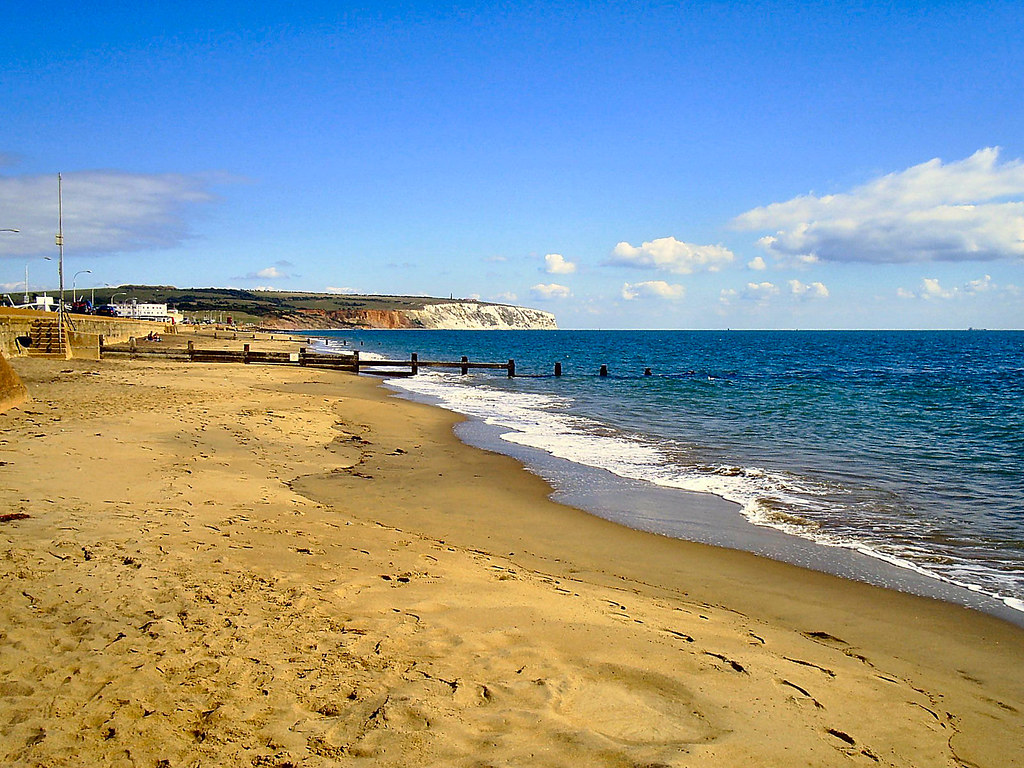
Beach, Nature or Culture: Choosing the Trip You Want
Most trips end up being a mix. Deciding which one leads makes everything else simpler.
Read guide