How to Handle a Changed Travel Schedule
By Priya Nair8 min readChange stage

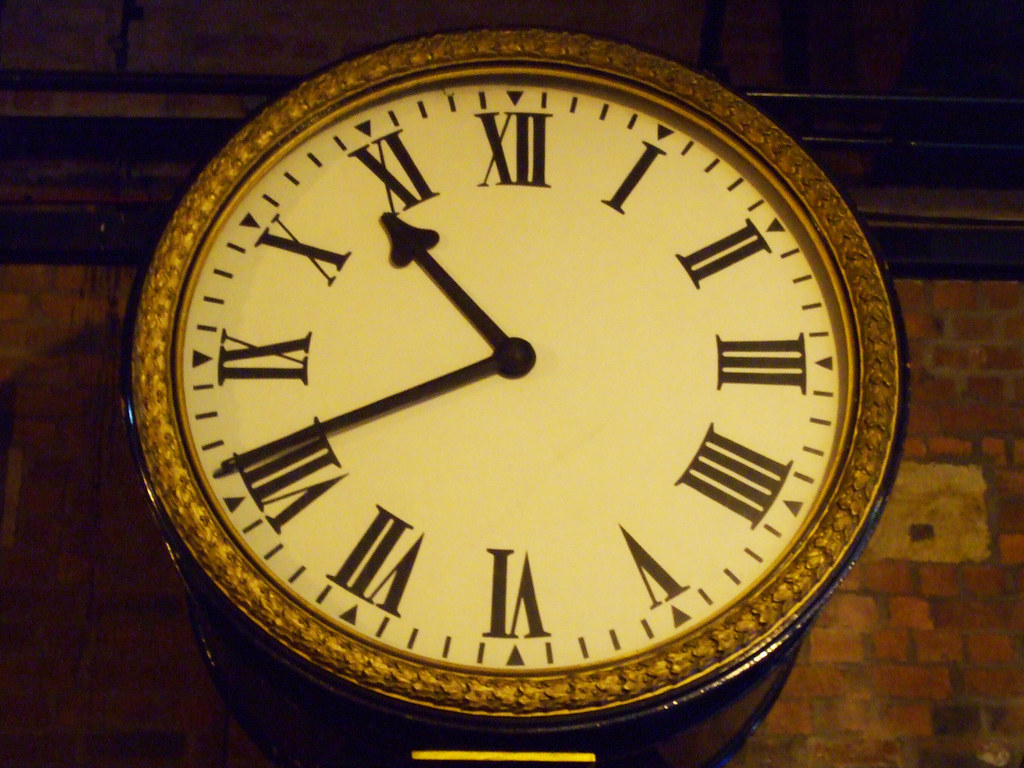
Photo: Marco Nürnberger / CC BY
One delayed departure rarely stays contained. It tends to nudge a transfer, a check-in time, a dinner booking and sometimes the last train of the night, all at once.
There is a particular kind of dread that sets in when you realise a two-hour delay does not just cost you two hours. It costs you the airport transfer you booked for a specific window, the hotel check-in desk that closes at eleven, and possibly the only remaining connection of the evening. The schedule was never really one line, it was a chain, and now a link near the front has moved.
Map the knock-on effects
Before rebooking anything, take a minute to actually list what depends on the piece that has slipped. It is tempting to fix the nearest problem and hope the rest sorts itself out, but a missed transfer at midnight in an unfamiliar city is a much bigger problem than a missed transfer discovered and dealt with three hours earlier.
A typical knock-on list
- Ground transfer or taxi booked for a fixed pickup time
- Hotel or apartment check-in, especially with a lock box or limited reception hours
- The last realistic connection of the day, whether train, ferry or shuttle
- Any reservation with a real cutoff, such as a restaurant table or a timed museum entry
Rebuild the day around the new anchor
Once you know your new arrival time, treat it as the fixed point and rebuild everything else outward from there rather than trying to force the old schedule back into shape. If the transfer company allows a quick message or call, update them early. Many will hold a booking for a reasonable delay if they know about it in advance, though naturally this depends on their own conditions.
Deciding what to drop
Sometimes the honest answer is that not everything fits anymore, and something has to go. A dinner reservation is easier to lose than a connecting train, and a late check-in is easier to manage than a missed onward flight the next morning. Ranking the remaining pieces by how hard they are to replace, rather than how disappointing they are to lose, tends to produce calmer decisions.
By the time the new schedule is settled, most of the hard part is done. What is left is the quieter work of confirming everyone downstream knows the plan has changed, which sits comfortably within the Return stage of your journey, where loose ends get tidied rather than created.
Keep going
More from CHANGE
Practical support when a plan shifts, a route closes, or a date moves.
Back to CHANGERelated guides

What to Do When Your Travel Plans Change
The first hour matters. A calm order of operations when something falls through.
Read guide
How to Plan an Alternative Route
Same destination, different path. Building a plan B that does not cost you the trip.
Read guide
What to Do If You Need to Return Earlier
Cutting a trip short is stressful. A short checklist that keeps the cost and chaos down.
Read guide