How to Plan an Alternative Route
By Mara Ellison9 min readChange stage
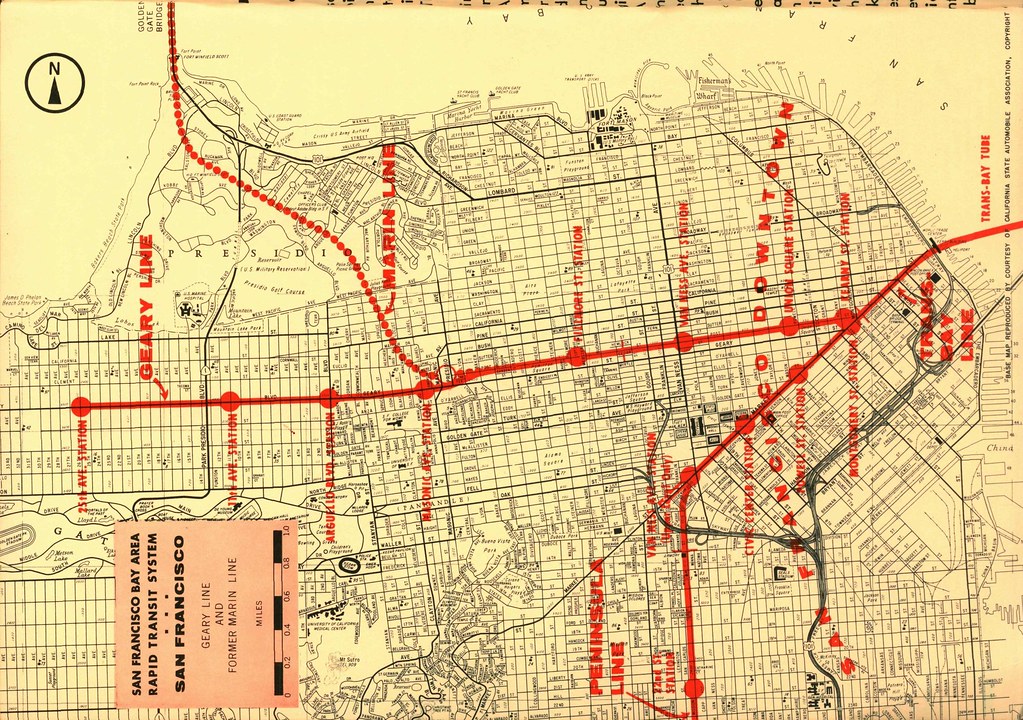
Photo: Eric Fischer / CC BY
The destination has not changed, only the way of getting there. Working through alternatives calmly, across every mode available, usually reveals more options than the first cancelled ticket suggested.
When the original route fails, the temptation is to look only at the same mode of transport, checking flight after flight on the same airline as if the rest of the transport network did not exist. Widening the search, even briefly, often turns up a route that is slower on paper but considerably more reliable in practice.
Look across modes, not just within one
A cancelled flight does not necessarily mean the next available flight is your best option. Depending on distance, a train, an overnight coach, or even a combination of a shorter flight plus a connecting train can get you there with fewer points of failure. This is especially true in regions with dense rail networks, where a train that leaves in twenty minutes can beat a flight that leaves in six hours.

Questions worth asking before booking an alternative
- Does this route pass through a hub known for its own delays, adding a second point of risk
- How many separate tickets does this involve, and are they protected together or separately
- Is the arrival time realistic for what waits at the other end, such as a hotel check-in or a rental car desk
- Would a slightly longer but simpler route actually reduce the chance of another disruption
When longer is actually safer
It sounds counterintuitive, but a route with fewer connections is often the more reliable one even if the total travel time is longer. A single direct train that takes six hours carries less risk than two flights and a shuttle that together might take four, because each additional change is another chance for something to go wrong. When the stakes are high, such as a wedding or a conference with a fixed start time, favouring simplicity over speed is usually the calmer bet.
Building in a margin
Whatever route you settle on, building in some slack at the far end helps more than shaving an hour off the journey itself. Arriving with room to breathe before the next commitment is worth more than arriving on the theoretically fastest path with no buffer at all.
Once the alternative route is booked and confirmed, the remaining task is mostly administrative: updating anyone waiting for you and adjusting what comes next. That handover naturally belongs to the Return stage of your journey, where the focus moves from routing to settling back into the plan.
Keep going
More from CHANGE
Practical support when a plan shifts, a route closes, or a date moves.
Back to CHANGERelated guides

What to Do When Your Travel Plans Change
The first hour matters. A calm order of operations when something falls through.
Read guide
How to Handle a Changed Travel Schedule
When one time moves, several others move with it. How to rebuild the day quickly.
Read guide
What to Do If You Need to Return Earlier
Cutting a trip short is stressful. A short checklist that keeps the cost and chaos down.
Read guide