Unexpected Weekend Destinations
By Wings of Wind Editorial Team9 min readUpdated November 2026Discover stage
Photo: Ray in Manila / CC BY
A weekend can feel more revealing when the destination is not already packaged as a weekend destination. Rather than chasing a smaller version of a famous city, look for places with a distinct landscape, working rhythm or local tradition, then plan around what is actually open and reachable.
The phrase unexpected destination can suggest a secret place waiting to be discovered. In practice, there are no secrets, only places that receive less international attention and suit particular travellers at particular times. A river town during a migration season, an island outside its busiest months, or a post-industrial city with an active arts calendar can all make a memorable short trip. None is automatically quiet or inexpensive, and none needs to be measured against a capital city. The better question is whether its character matches the sort of weekend you want.
Choose a different kind of weekend
A useful starting point is not a list of destinations but a mood. Perhaps you want to walk beside water, spend time in a landscape shaped by industry, or see how food and architecture change across a border region. Each interest points toward a different kind of place. A small port may be compelling because its waterfront is still working, while a former mining or manufacturing town may make its history legible in buildings and museums. Such places can be rewarding without presenting a polished sequence of attractions.
Consider locations such as the Dutch city of Dordrecht, where waterways and a historic centre give the visit a strong sense of place, or the French city of Saint-Étienne, whose industrial past is part of its contemporary identity. In Wales, Swansea can work as a base for a city-and-coast weekend, though reaching the Gower requires checking local transport and allowing time. These are examples to investigate, not a universal shortlist. Current exhibitions, access and transport schedules should determine whether any one fits your dates.
Look for a place with a working identity
Unexpected weekends often work best where the place has a life beyond visitors. That might mean a market serving residents, a university term shaping the calendar, a harbour that still handles boats, or a cultural institution rooted in local history. It is worth asking what people do there on an ordinary Saturday. The answer is more useful than a list of photo spots because it gives you a way to build a day around the actual city.
Industrial heritage is one promising angle. In northern France, Roubaix has a history tied to textile production and a notable art museum housed in a former swimming pool, La Piscine. The building's former function is visible in the way the collection is presented, but check the museum's current opening information before shaping a day around it. A visit can anchor a weekend without requiring you to treat the city as a mere extension of nearby Lille. Spend time noticing how old industrial structures sit alongside present-day streets and public spaces.
Water can provide another structure. Dordrecht is surrounded by waterways and has an old centre that rewards unhurried walking. Rather than trying to turn a short visit into a full regional tour, choose a few areas and leave time to watch the city's relationship with its rivers and canals. Weather and water levels affect outdoor plans, and boat services vary by season, so verify current operations locally. If a service does not run, the town itself still offers a coherent walking day.
Build around one anchor, not a checklist
A weekend has limited capacity. Pick one anchor for each day: a museum, a walk, a market, a performance or a stretch of coast. Then make the rest of the schedule flexible. This approach is especially useful in places with fewer visitor services, where opening days may be limited and events can be seasonal. The anchor gives the trip a shape; the unplanned hours let you respond to what you find.
- Choose an anchor that reflects the place, rather than importing a generic city itinerary.
- Check the official venue or local authority page for current hours, closures and access details.
- Map the station, your chosen neighbourhood and the anchor before settling on a day plan.
- Keep a nearby indoor alternative in mind if weather affects a coast, park or outdoor site.
- Check whether the local calendar includes a market, festival or public holiday that changes normal routines.
Saint-Étienne illustrates why a theme can be more helpful than a ranking. The city is associated with design and industrial history, and the Cité du design occupies a former arms-manufacturing site. Its programme and access arrangements can change, so consult the institution's current information rather than relying on an old listing. Pairing one design-focused visit with time in the centre keeps the day grounded. There is no need to claim that one museum explains an entire city; it gives you a lens through which to notice more.
Practical tips for an offbeat weekend
Start with the journey, not the promotional image. A destination that appears close on a map may require a slow regional connection or a transfer that reduces your usable time. Compare the complete door-to-door route, including the distance from the station to the centre, the last departure on your return day and any gaps between services. Do not assume that a route operates at the same frequency on weekends as it does on weekdays. If a disruption would leave you stranded, choose a more resilient itinerary or build in a buffer.
Check the calendar in the language used locally where possible. Official tourism, museum and transit websites are generally better for current logistics than old travel posts. For event dates, confirm the year and venue, since recurring listings can linger after schedules change. If information is unclear, make a conservative plan rather than assuming a place will be open. That is a small bit of preparation that can save a lot of wandering in the rain.
Choose a base near the part of town you actually plan to explore, not simply the cheapest-looking area on a map. Review walking distances, transit service and the route back after dinner. In smaller places, evening service may be less frequent; arrange your day so the final return is straightforward. If you prefer to walk, consider hills, river crossings and weather, which can make a short map distance feel longer than expected. I usually leave a little slack around the last trip of the day, because the published schedule is a plan, not a guarantee.
Pack for the main activity, not the imagined version of the destination. A coastal walk needs layers and footwear suitable for uneven paths; a museum-and-cafe weekend may call for little more than comfortable shoes and a light waterproof. Check local conditions close to departure and follow posted guidance around industrial sites, waterways and protected landscapes. Some places are working environments, not visitor attractions, so respect restricted access and do not treat private property as a shortcut.
Finally, be realistic about language and services. Smaller destinations may have less visitor information in English, and business hours can differ from what a larger city has trained you to expect. Save essential addresses and transit details for offline access, learn a few useful local phrases, and keep a second option for meals or indoor activities. This is not a reason to avoid the trip. It is simply a way to make uncertainty feel manageable rather than irritating.
FAQ
What makes a destination unexpected for a weekend?
It is less about obscurity than about a different organizing idea. A place might be overlooked by general weekend roundups but make sense for its waterways, industrial history, regional food or a particular event. The best fit has a clear reason for your visit and enough practical infrastructure to make a short stay workable. You do not need to discover somewhere unknown to have a fresh experience.
How can I tell whether two nights are enough?
Count the hours you will actually have after travel, transfers and check-in. Then compare that time with the opening schedule of your main anchor and the distance between the areas you want to see. Two nights can be enough for a compact centre and one focused activity. If your plan depends on several day trips or a lengthy regional route, either extend the stay or narrow the scope.
Should I visit during a local festival?
A festival can make a place feel especially alive, but it can also change transport, opening hours and crowd levels. Check the event's current official details and see whether its main venues are close to your base. Decide whether the event is the purpose of the weekend or simply a bonus. If it is central, build your schedule around it; if not, consider dates that allow you to see more of the everyday city.
What if the main attraction is closed?
Have a second activity that fits the same theme but does not depend on the same opening hours. For a design-focused city, that might mean public architecture and a neighbourhood walk; for a waterside town, a route along the river and a local market. Check current notices before you leave, but keep the plan broad enough to absorb a change. An unexpected weekend should include room for adjustment, not a single point of failure.
The pleasure of a less obvious weekend is often modest and specific: the way a former workplace has become part of the street, a city seen from its river edge, or an afternoon that is not governed by a queue. Pick a place for a reason you can explain, verify the practical details, and leave one part of the itinerary open. The result may be less predictable than a standard city break, which is rather the point.
Keep going
More from DISCOVER
Hidden corners, scenic routes and the places that reward a detour.
Back to DISCOVERRelated guides
Hidden Places Worth the Detour
The half hour off the main road that turns out to be the part you remember.
Read guide
Beautiful Cities to Explore on Foot
Some cities only make sense at walking pace. What they have in common.
Read guide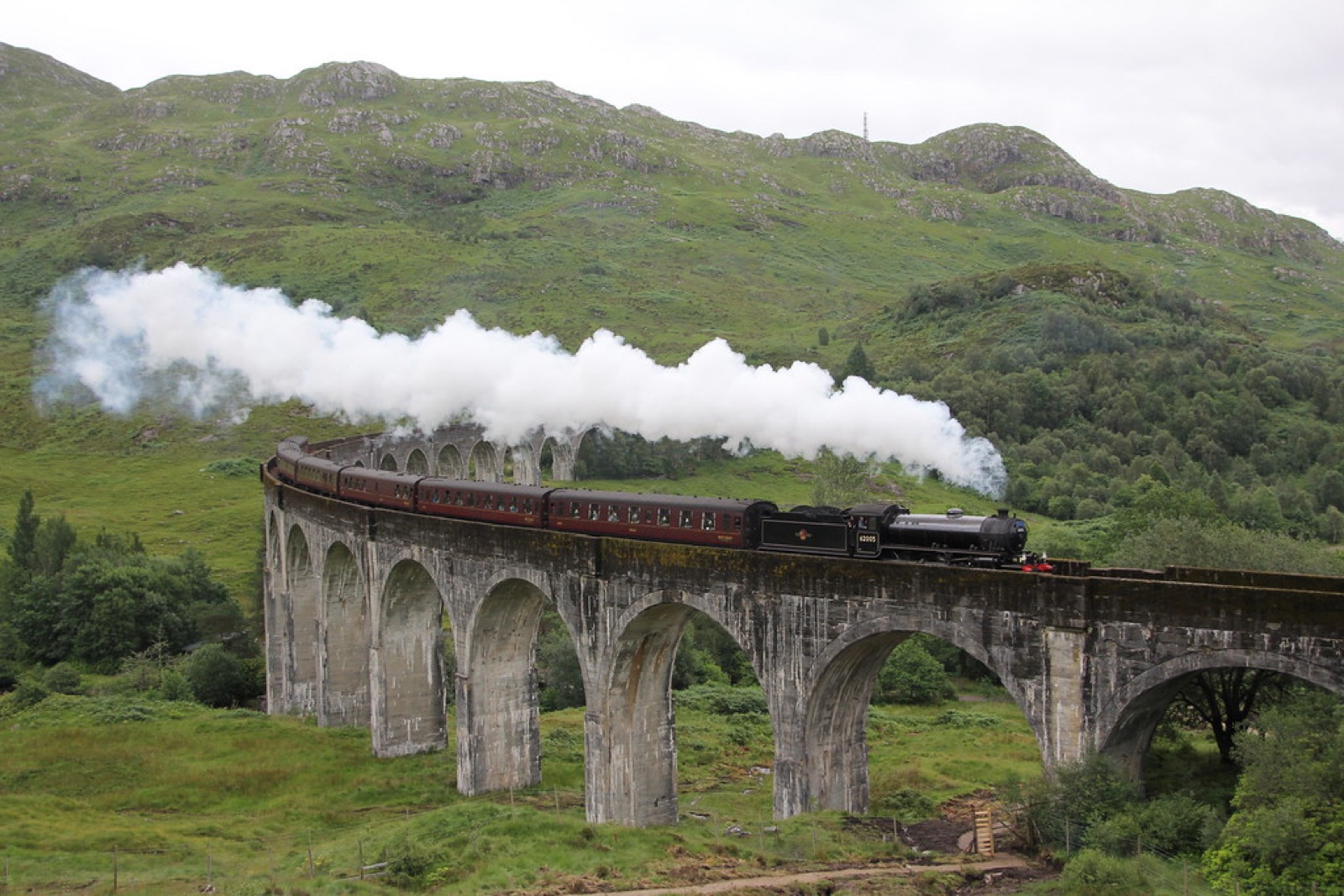
Scenic Routes Worth Taking
Trains, coastal roads and ferries where the journey is the reason to go.
Read guide