Beautiful Cities to Explore on Foot
By Mara Ellison8 min readDiscover stage

Photo: John-Morgan / CC BY
Some cities reward a car or a metro pass, and some reward nothing but a good pair of shoes. Here is what the second kind tend to have in common, and how to plan a day around walking them well.
Walkability is not really about beauty, though the two often travel together. It is about scale and structure: a city built at a size and shape that a person can hold in their head after a day or two, with enough variation to stay interesting and enough compactness to stay legible. Some famous cities fail this test entirely, spreading too wide for feet to cover the distance between the things worth seeing. Others, often smaller or more tightly wound, turn out to be made almost for walking.
The features that make a city walkable
A spine to orient by
A river, a ridge, a long boulevard, a coastline: cities with a clear physical spine are far easier to navigate on foot than cities laid out as a grid with no obvious centre of gravity. You can always ask which side of the river you are on. That single fact does more for a sense of direction than any map.
Layered centres, not one
The most rewarding walking cities rarely have a single old town surrounded by suburbs. They have several centres of different ages sitting close together, so that a morning can move from a medieval core to a nineteenth century quarter to something newer within an hour, all on foot, each with a distinct texture.

Planning a walking day
The instinct to cram a walking day full of stops usually backfires. Distances that look short on a map take longer than expected once you account for stopping, doubling back, and the simple fact that interesting streets slow you down on purpose. A better approach is to pick one loose direction for the day, perhaps from one landmark toward another with no fixed route between them, and let the pace be dictated by what is actually there rather than by a plan made the night before from a hotel room.
- Choose a rough direction rather than a fixed list of stops
- Build in shade or shelter for the middle of the day, especially in warmer months
- Treat benches, steps, and cafe terraces as part of the route, not interruptions to it
- Save the most famous sight for whichever end of the day you are freshest
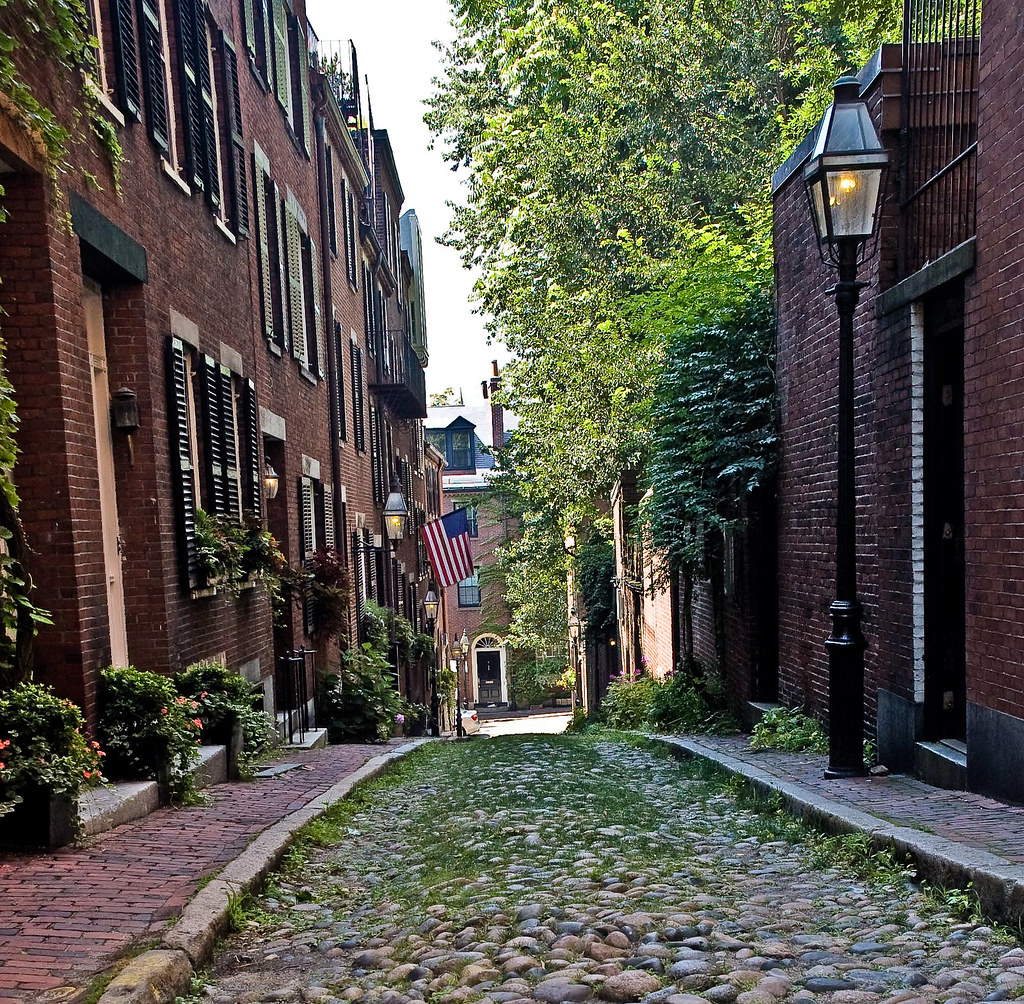
A city explored on foot leaves a different kind of memory than one seen through a window, stitched together by smells and small inclines rather than a sequence of named stops. Once you have found the pleasure in that, the rest of a trip tends to open up too, and it becomes worth thinking harder about which destinations reward this kind of attention in the first place, and which routes are worth taking simply for what happens along the way.
Keep going
More from DISCOVER
Hidden corners, scenic routes and the places that reward a detour.
Back to DISCOVERRelated guides

Hidden Places Worth the Detour
The half hour off the main road that turns out to be the part you remember.
Read guide
Unexpected Weekend Destinations
Cities that rarely top a list and are usually better for it. And cheaper.
Read guide
Scenic Routes Worth Taking
Trains, coastal roads and ferries where the journey is the reason to go.
Read guide