Cities That Look Different After Dark
By Ivo Bergmann8 min readDiscover stage

Photo: d26b73 / CC BY
Every city has a second version of itself that only appears after the sun goes down. Here is what tends to change, which districts transform the most, and how to explore it sensibly.
Daylight flattens a city into information: street layouts, building facades, the practical business of getting around. After dark, much of that information recedes and something else takes its place, built from light, sound and the movement of people rather than architecture alone. A square that felt purely functional at noon can feel entirely different once its lamps come on and its cafes fill, and a walk that seemed fully understood by afternoon can still hold surprises by nine in the evening.
What actually changes after dark
Lighting is the obvious factor, but it is rarely just about brightness. Older European centres often use warm, low lighting that flatters stone and narrows the visual field to a few illuminated streets at a time, turning a walk into a sequence of small, framed scenes rather than one continuous view. Harbour cities gain reflections on water that simply do not exist by day. And in cities built around a strong nightlife culture, the shift is social as much as visual: streets that were transit corridors become destinations in their own right, filled with people who were not there a few hours earlier.
The districts that transform the most
It is usually the historic centres, market districts, and waterfronts that change most dramatically, since they tend to have the density of small businesses, the interesting lighting, and the pedestrian scale that make an evening walk rewarding. Business districts, by contrast, often go the other way, emptying out almost entirely once offices close, which is worth knowing before wandering there expecting atmosphere.

- Historic centres and old markets, where lighting and foot traffic both increase
- Waterfronts and harbours, where reflections and open sightlines change the mood
- Districts known for evening dining or performance, which barely exist by day
- Business and financial districts, which typically empty out rather than come alive
Staying sensible without staying timid
None of this requires excessive caution, but it is worth applying the same ordinary judgement used at home: sticking to streets with other people around, keeping a rough sense of the route back, and choosing well-lit paths over shortcuts through emptier corners. Local advice is genuinely useful here, since residents usually know without thinking about it which streets are simply quieter and which ones are worth avoiding after a certain hour.
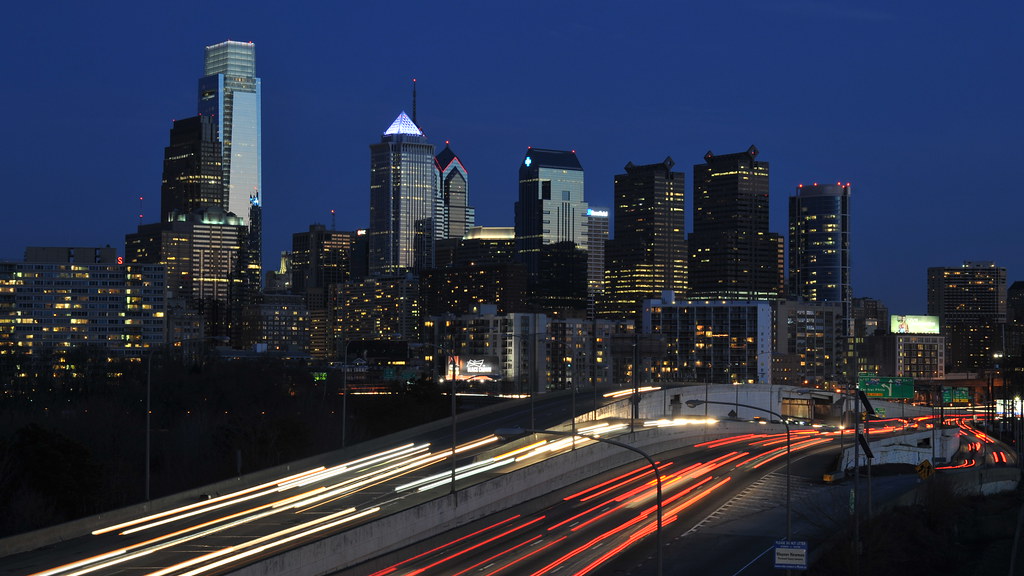
Seeing a city twice, once by day and once after dark, is close to seeing two different places, and travellers who only do the first are missing half the picture. It is a small addition to any itinerary, and like the detours, the walking days and the slow routes covered elsewhere in this section, it rewards a bit of unhurried attention rather than a fixed plan, which is really the theme running through all of it.
Keep going
More from DISCOVER
Hidden corners, scenic routes and the places that reward a detour.
Back to DISCOVERRelated guides

Hidden Places Worth the Detour
The half hour off the main road that turns out to be the part you remember.
Read guide
Beautiful Cities to Explore on Foot
Some cities only make sense at walking pace. What they have in common.
Read guide
Unexpected Weekend Destinations
Cities that rarely top a list and are usually better for it. And cheaper.
Read guide