How to Get From the Airport to the City
By Wings of Wind Editorial Team8 min readUpdated November 2026Move stage
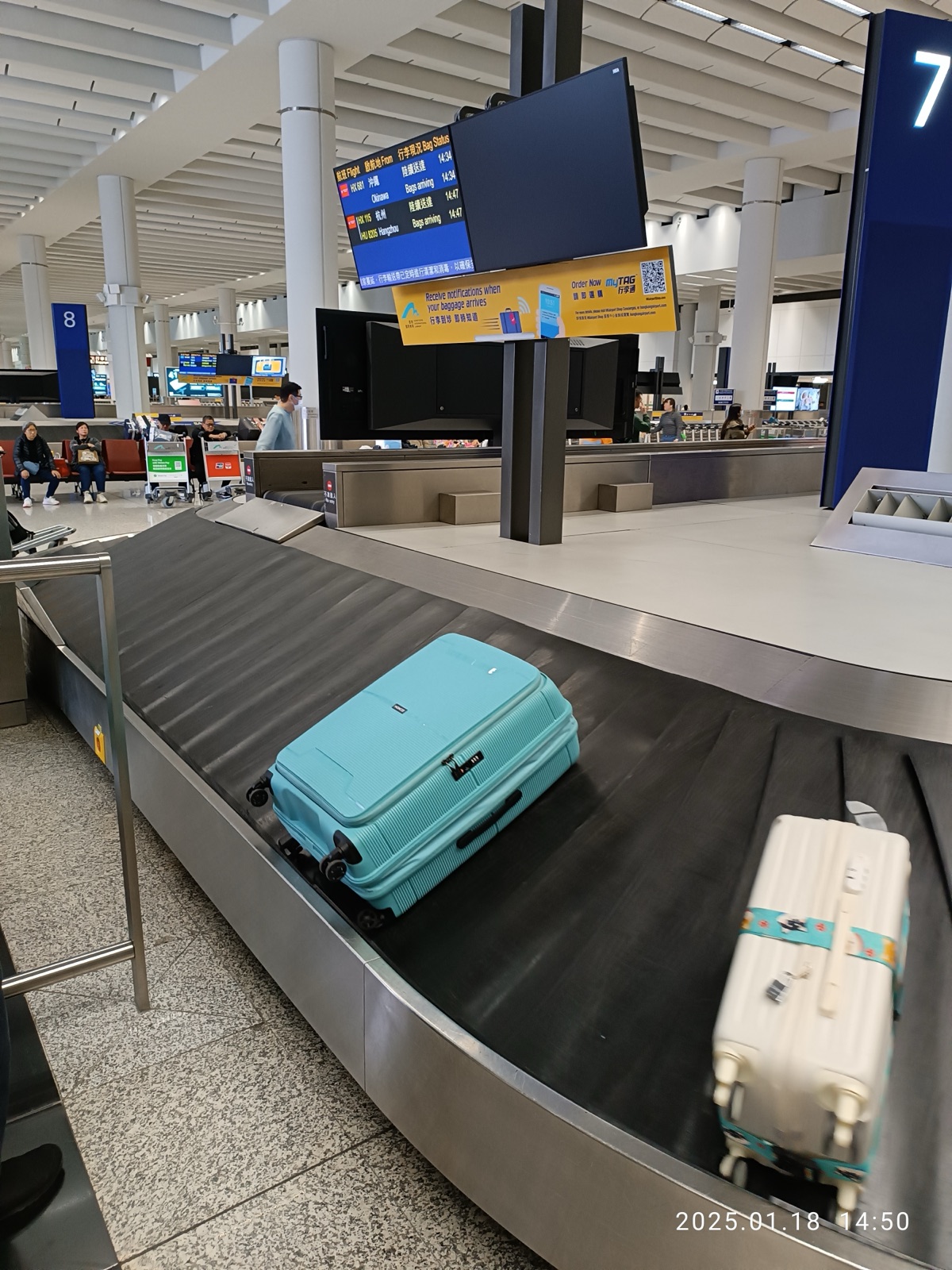
Photo: Naha Mama Pavilionz / CC CC0
The flight is over, but the journey is not quite done. A little preparation turns the airport-to-city leg from an arrival-hall puzzle into a straightforward first step.
After a long flight, even a simple choice can feel oddly difficult: follow the signs to a train, join a bus queue, or find the taxi rank? There is rarely one best answer for every traveller. The right transfer depends on where you are staying, when you land, how much you are carrying, and whether you would rather trade time for convenience. Decide the shape of the trip before take-off, then leave room for a change of plan.
Start with the actual destination
“The city centre” is a vague target. An airport train may reach a central station quickly, but that station can still be a long walk or another ride from your accommodation. Put the airport and your lodging on a map and compare the whole journey, not just the first leg. Check the station or stop nearest the address, the walking route between them, and whether that route makes sense with your bags. A route with one extra change can be easier than a direct service that leaves you far away.
Look for the airport’s official transport page and the local public transport operator. They can clarify which terminal a service uses, where to buy or validate a ticket, and whether a service runs on your arrival day. Timetables and construction notices change, so old travel posts can be useful for orientation but should not be treated as current instructions. If the airport serves several cities, make sure you have the right destination station in mind.

Choose by door-to-door effort
Rail is often a strong choice when a station is inside or directly connected to the terminal and the line reaches a useful part of town. It avoids road congestion and has a clear route, though it may be crowded or awkward with bulky luggage. Some airports have a dedicated express service; others are served by ordinary commuter trains or metro lines. Do not assume a train labelled “airport” is a direct ride to your hotel district. Check stops, transfers, and the operating schedule.
Airport buses can work well when their stop is close to where you are staying or when a rail connection is absent. They may offer space for bags, but travel time depends on traffic, and stops can be spaced widely. A shared shuttle may take passengers to multiple addresses, which is helpful for a less-connected area but can make the ride longer. A private car or licensed taxi offers a simpler door-to-door trip, especially for a group or travellers with mobility needs, though the road journey is still subject to traffic.
- Compare the complete route, including transfers and the final walk.
- Check the service’s hours against your scheduled landing, not the time you expect to leave the terminal.
- Consider luggage, stairs, step-free access, and how tired you may be.
- For a group, compare convenience and total journey effort rather than assuming public transport is always simpler.
When the arrival is late or disrupted
A scheduled landing is not the same as being ready to leave the airport. Allow for disembarking, immigration where applicable, baggage collection, and the walk to the station or pickup area. If the last train or bus might be close, check the operator’s final departure and decide in advance what you will do if the flight is delayed. A backup could be a licensed taxi rank, a service with a later schedule, or a pre-arranged transfer whose terms you have checked. Late-night availability differs by city and weekday, so never rely on a generic rule.
For a disrupted flight, check live departure information once you have a signal. If a service has stopped running, follow official airport signs and use marked pickup areas rather than accepting an unsolicited offer in the terminal. Keep the accommodation address available offline; a screenshot or saved map can help when data is slow. It is also sensible to save the local transport operator’s app or web page before the trip, but have a non-app option in mind. Phones die, networks falter, and airport Wi-Fi is not always immediate.
Tickets, bags and pickup points
Ticket rules are not uniform. Some systems use contactless payment, some require a paper or mobile ticket, and others require a card to be tapped both in and out. Read the instructions for the specific operator and keep the ticket or payment method accessible until the journey ends. If buying at a machine, confirm the destination and ticket type before paying. Do not board on the assumption that a ticket can always be bought onboard.
When using a taxi or ride-hailing service, locate the official rank or designated pickup zone. Airports commonly separate app pickups from taxis, and a driver may need the correct terminal or meeting point. Confirm the vehicle and driver details through the service you requested before getting in. For a street taxi, use the marked queue and follow local guidance on meters or regulated fares. Clear communication helps: show the full address, including the district and postal code, rather than relying on a hotel name alone.

Practical tips for a smoother airport transfer
Small preparations reduce the amount of thinking required after landing. Save the address in the local script if relevant, as well as in a format you can show a driver. Download a map area or take a screenshot of the route, and keep your accommodation’s check-in instructions handy. If you have a large suitcase, measure the practical walk from the platform to the exit in your planning, not only the distance shown on a map. Lifts may be out of service, and a station can have several exits that lead to very different streets.
- Confirm the arrival terminal and the transport stop serving it.
- Check current operating hours, service notices, and the final departure for your day of travel.
- Keep the destination address and essential directions available offline.
- Identify the official taxi rank or marked app pickup area before leaving arrivals.
- If your flight is delayed, reassess the route rather than racing toward a service that has already departed.
- For accessibility needs, verify step-free routes and vehicle arrangements with the relevant operator.
A little flexibility matters too. If a train is crowded or a lift is unavailable, take a moment to consider the next service instead of forcing a difficult boarding. Travelling with children, an older companion, or several bags changes what counts as the easiest option. I once planned only for the rail time and forgot the walk at the other end; it was a small mistake, but one I would not repeat. Keep the first evening light if you can. Arrival has a way of taking longer then the itinerary suggests.
Airport transfer FAQ
Is the train always the fastest option?
No. Rail avoids road traffic, but station access, waiting time, transfers, and the journey from the final stop can all add time. Compare the door-to-door route at the hour you expect to travel. In some cities a direct bus or taxi is more practical; in others the train is clearly the simplest choice.
What should I do if I land after public transport stops?
Check the actual last-service times for your date and allow for the time needed to leave the terminal. If there is a risk of missing the service, identify a backup before departure, such as a marked taxi rank or a later-running option. Avoid depending on a timetable remembered from a previous visit.
How do I avoid getting into the wrong car?
Use the official taxi queue or the airport’s signed pickup area for app-based rides. For an app booking, match the vehicle and driver details shown in the app before entering. Do not follow someone who approaches inside the terminal offering an unrequested ride. Keep the full destination address ready to show.
Should I buy a transport ticket before I fly?
Only if the operator’s current instructions make that useful and you understand how the ticket is activated or validated. Some tickets are time-limited or tied to a particular service, while others can be bought at the station. Check the official operator information, and avoid purchasing a ticket based solely on an outdated guide.
The aim is not to perfect every minute of the arrival. It is to know the likely route, recognise the official signs, and have a calm alternative if circumstances change. Once you are on the way into town, the unfamiliar airport begins to recede and the trip can properly start.
Keep going
More from MOVE
Planes, trains, buses, cars, transfers and connections, explained without the jargon.
Back to MOVERelated guides

How to Travel Between European Cities
Rail, budget flights, coaches and the occasional ferry. Choosing the one that fits your route.
Read guide
Train or Plane: Which Works Better?
The honest comparison is door to door, not gate to gate. A simple way to run the numbers.
Read guide
How to Plan a Multi-City Journey
Three cities in ten days can be relaxed or exhausting. The difference is usually the order.
Read guide