Train or Plane: Which Works Better?
By Ivo Bergmann9 min readMove stage
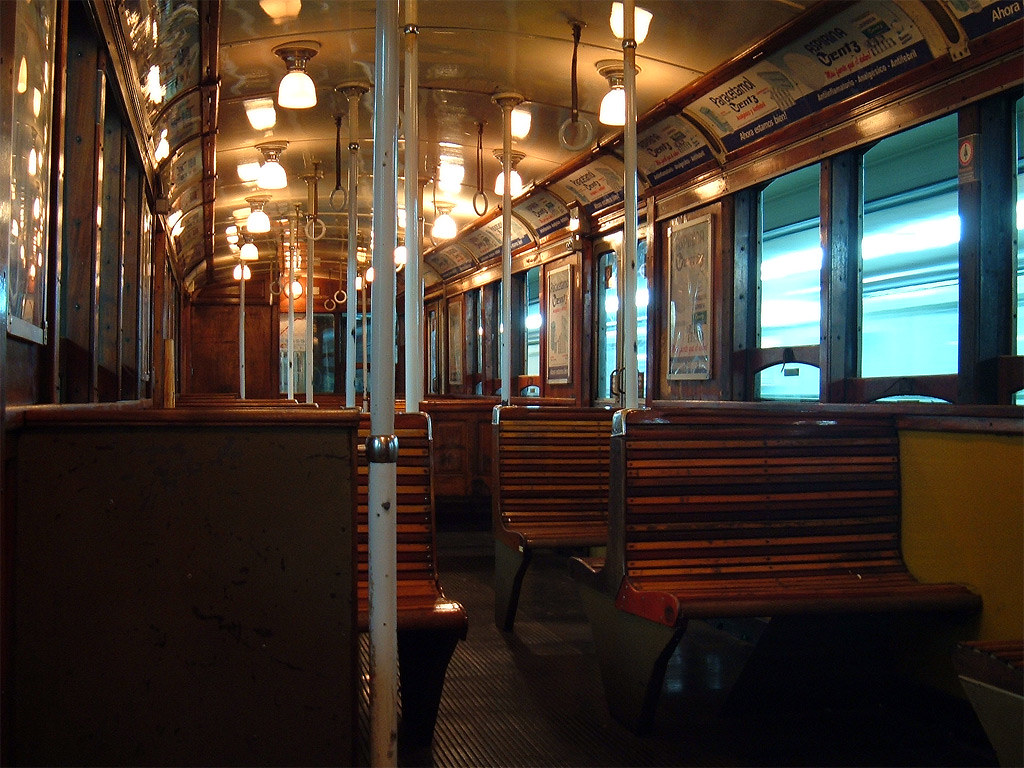
Photo: Diego3336 / CC BY
Comparing flight time to train time is misleading. The honest comparison is door to door, and once you include that, the winner often changes.
Ask most people whether to fly or take the train and they will quote you the number on the airline's website: an hour and a bit in the air. That figure ignores almost everything that actually determines how your day goes. A fairer comparison starts when you leave your accommodation and ends when you arrive at your destination, including every queue, transfer and wait in between.
The four-hour rule of thumb
A useful, if rough, guide: if the train journey is under about four hours, it is usually worth taking over flying, once you add up airport transfers, check-in and security on the flying side. Above four hours, flying starts to pull ahead unless the train route is genuinely fast, in which case the crossover point can stretch out further. This is only a starting point. Where you are actually staying, how far the airport sits from the centre, and how punctual the specific route tends to be all shift the number in one direction or the other.

What each mode actually gives you
Comfort and space
Trains generally offer more room to move, the option to walk to a dining car, and seats that do not require you to put a tray table up during landing. Planes compress everything into a shorter window, which some travellers prefer precisely because the discomfort is brief.
Reliability and weather
Rail networks are less exposed to weather delays than aviation, though they are not immune, and a single equipment fault somewhere on the line can ripple through a whole day of departures. Flights face their own weather cancellations plus air traffic control restrictions that trains never encounter.
- Luggage: trains rarely restrict size or weight the way airlines do
- Working on board: trains offer steadier Wi-Fi and a proper table for most of the journey
- Arrival point: train stations are usually central, airports usually are not
- Environmental impact: rail travel generally produces a smaller footprint per passenger over comparable distances

There is no single correct answer here, only a better way of asking the question. Once you have settled how you are covering a given leg, the practical planning shifts toward where you will sleep at each end and what the city itself has to offer, which is where Stay and Do come in.
Keep going
More from MOVE
Planes, trains, buses, cars, transfers and connections, explained without the jargon.
Back to MOVERelated guides

How to Travel Between European Cities
Rail, budget flights, coaches and the occasional ferry. Choosing the one that fits your route.
Read guide
How to Plan a Multi-City Journey
Three cities in ten days can be relaxed or exhausting. The difference is usually the order.
Read guide
How to Get From the Airport to the City
Trains, shuttles, taxis and the transfer that quietly costs more than the flight.
Read guide