How to Travel Between European Cities
By Tomas Reyes10 min readMove stage

Photo: Bert Kaufmann / CC BY
Europe rewards travellers who mix their transport rather than picking one mode for the whole trip. Here is how to decide, leg by leg, what actually makes sense.
The classic mistake is treating a multi-city European trip as a single logistics problem with one right answer. It rarely works that way. A journey from Lisbon to Vienna might be best split into a flight for the long stretch and a train for the shorter, scenic middle section, and there is nothing wrong with that kind of patchwork. The goal on each leg is simply to weigh time, cost, comfort and the hassle of getting to and from terminals, then pick accordingly.
Rail for the middle distances
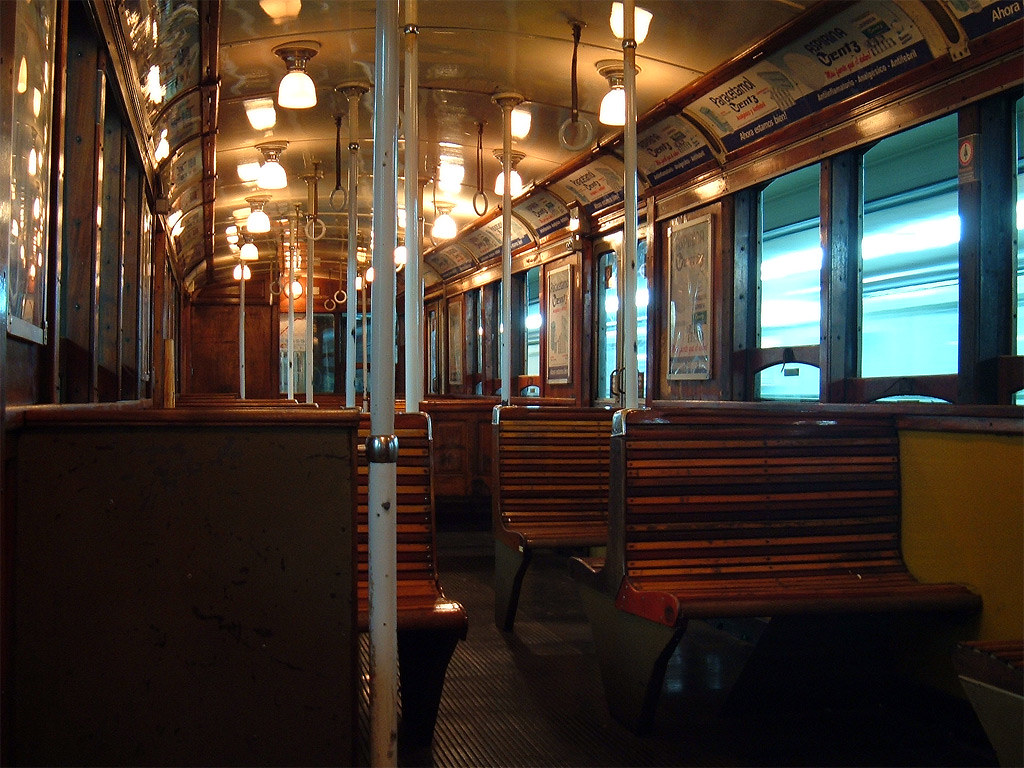
Trains tend to win when two cities sit somewhere between two and six hours apart by rail. You arrive in a city centre, not a satellite airport, and you skip the security theatre that eats up so much of a short flight's time advantage. High-speed lines connecting major hubs, such as Paris to Amsterdam or Madrid to Barcelona, are often as fast door to door as flying once you account for getting to the airport. Regional and overnight trains open up smaller towns that budget airlines never touch.

When budget flights make sense
For longer hops, especially across a sea or a mountain range, a short flight can still beat a full day on rails or roads. The catch is that low-cost carriers often fly from airports well outside the city they claim to serve, and the extra bus or train ride to get there can quietly cancel out the time you saved. Always check the actual airport location and the transfer options before comparing a flight against the alternative.
Luggage rules differ by mode
This is where plans go wrong. Budget airlines charge sharply for anything beyond a small personal item, while trains and coaches are generally far more relaxed about what you bring aboard and how much it weighs. If you are travelling with a single suitcase for a multi-leg trip, check the baggage policy of the strictest leg first and pack to that limit, since it is much easier to carry a bag that is slightly too small for the train than one that gets you stopped at airport check-in.
- Coaches: cheapest option for medium distances, slower but usually generous with luggage
- Ferries: worth it for island hops or coastal shortcuts, less so as a general substitute for flying
- Night trains: can replace both a day's travel and a night's accommodation
- Regional trains: often the only way to reach smaller towns off the main lines
City-centre stations versus distant airports
A train station in the heart of a city saves you an unpredictable taxi or transit ride at both ends of the journey. That matters more than the raw travel time suggests, particularly if you are arriving in the evening or carrying a lot of luggage. Before booking any flight, look up exactly which airport code you are flying into and how it connects to the city centre. Some budget airports lie an hour or more from the destination they are named after, and that detail changes the whole calculation.

None of this needs to be decided months in advance. Once you know your route through Move, the next question is what kind of base suits each stop, which is really a question for Stay, and from there it is worth thinking about how much you actually want to do in each city once you have arrived.
Keep going
More from MOVE
Planes, trains, buses, cars, transfers and connections, explained without the jargon.
Back to MOVERelated guides
Train or Plane: Which Works Better?
The honest comparison is door to door, not gate to gate. A simple way to run the numbers.
Read guide
How to Plan a Multi-City Journey
Three cities in ten days can be relaxed or exhausting. The difference is usually the order.
Read guide
How to Get From the Airport to the City
Trains, shuttles, taxis and the transfer that quietly costs more than the flight.
Read guide