How to Plan a Multi-City Journey
By Mara Ellison10 min readMove stage

Photo: brewbooks / CC BY-SA
A multi-city trip is really a sequencing puzzle. Get the order of cities and the number of bases right, and the rest of the planning becomes much simpler.
Before booking anything, sketch the shape of the trip on a map, even a rough mental one. Multi-city journeys go wrong less often because of any single bad transport choice and more because the overall route doubles back on itself or crams too many changes of base into too short a window.
Deciding the order of cities
Plot your destinations geographically first, then work out a route that moves broadly in one direction rather than zigzagging. It sounds obvious, but it is easy to be pulled off course by a cheap flight to a city that is nowhere near the rest of your plan. A loop or a straight line across a region will almost always cost you less time and money than jumping back and forth.
One long hop or several short ones
There is a real trade-off between a single long transfer and a string of shorter ones. Several short hops let you see more places but multiply the number of times you have to pack, check out, and navigate an unfamiliar transport system. One long hop, by contrast, uses up a big chunk of a day but then leaves you free for longer, uninterrupted stretches in each place. Neither is wrong; it depends on whether you would rather collect places or settle into a few of them.

Open-jaw routing
Flying into one city and out of another, rather than returning to your starting point, is called open-jaw routing, and it is one of the simplest ways to avoid retracing your own steps. It suits any trip where your cities line up in a rough sequence rather than clustering around a single hub.
How many bases makes sense
- A trip of a week or less usually works best with two or three bases at most
- Longer trips can support more stops, but each move still costs a day in practice
- Fewer, longer stays generally beat many rushed ones for actually experiencing a place
- Consider a hub-and-spoke approach for a region with one well-connected central city and several easy day trips

Once the sequence of cities and the number of bases feel settled, the trip stops being an abstract route and starts being a set of real decisions about where to stay in each place and what to prioritise once you get there, which is exactly where Stay and Do pick up.
Keep going
More from MOVE
Planes, trains, buses, cars, transfers and connections, explained without the jargon.
Back to MOVERelated guides

How to Travel Between European Cities
Rail, budget flights, coaches and the occasional ferry. Choosing the one that fits your route.
Read guide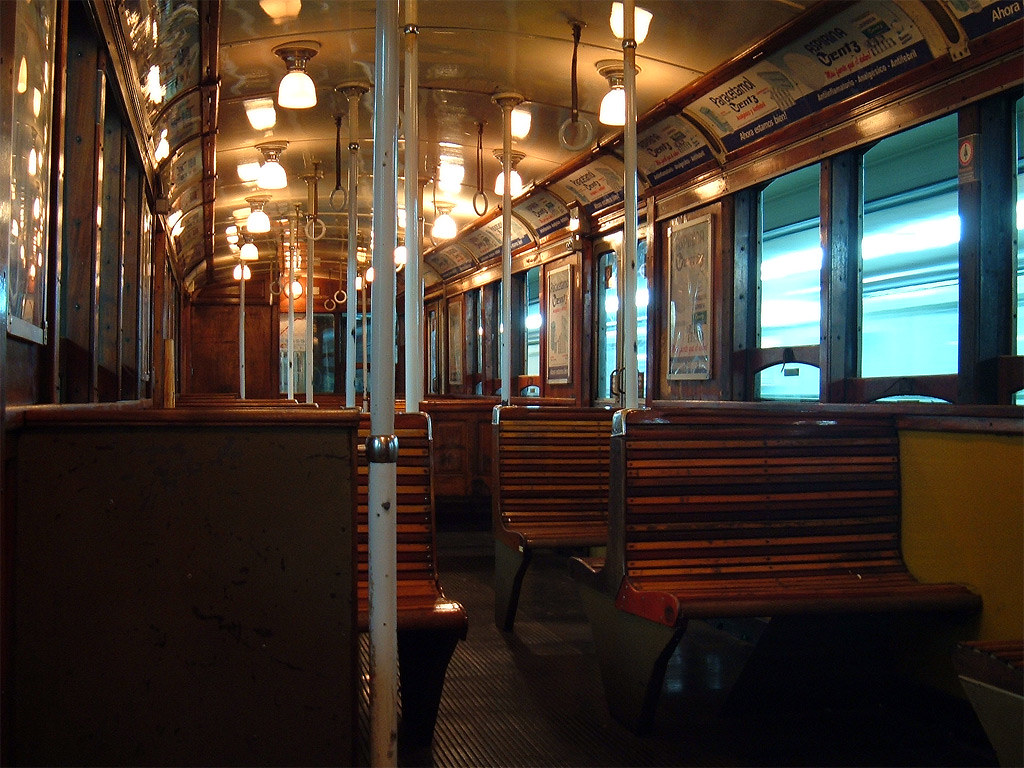
Train or Plane: Which Works Better?
The honest comparison is door to door, not gate to gate. A simple way to run the numbers.
Read guide
How to Get From the Airport to the City
Trains, shuttles, taxis and the transfer that quietly costs more than the flight.
Read guide