How to Plan a Trip With Multiple Connections
By Tomas Reyes9 min readMove stage

Photo: Eric Fischer / CC BY
Connections are where trips quietly unravel. Understanding how tickets, timing and protection actually work removes most of the risk before it starts.
Any itinerary with more than one leg carries a certain amount of risk, since a delay early on can cascade through everything booked after it. The good news is that most of that risk can be managed with a few decisions made well before departure.
Minimum connection times
Airports and railway stations publish a minimum connection time for a reason, and it is rarely generous. That figure assumes you move briskly, know exactly where you are going, and do not need to reclaim and recheck luggage. If your itinerary is built around a genuinely tight connection, especially one that involves an international transfer, changing terminals, or a first flight known for running late, add extra time wherever you can.
One ticket versus separate tickets
Booking a single ticket that covers every leg of a journey, even across different carriers, generally means the airline or operator takes responsibility for getting you to your final destination if something goes wrong along the way. Booking each leg separately is often cheaper and gives you more control over the exact combination of times and carriers, but it shifts the risk entirely onto you.

What you lose with separate tickets
- No obligation from the operator to rebook you if an earlier leg is delayed or cancelled
- No guarantee your luggage is checked through to the final destination
- You may need to reclaim and recheck bags between legs, adding time pressure
- Any compensation you are entitled to applies separately to each ticket, not the journey as a whole
What happens when a leg runs late
On a single connected ticket, a delay usually triggers an automatic rebooking onto a later service, sometimes with meal or accommodation support if the delay stretches overnight. On separate tickets, a late arrival is simply your problem to solve, and the onward ticket is treated as a no-show with no automatic refund or rebooking. Knowing which situation you are in before you travel, rather than discovering it at a delayed gate, makes a real difference to how stressful the day becomes.

Once the connections are locked down and you know exactly what protection you do or do not have, the rest of the trip planning becomes far less anxious, and you can turn your attention to where you are staying and what you actually want to do when you finally arrive.
Keep going
More from MOVE
Planes, trains, buses, cars, transfers and connections, explained without the jargon.
Back to MOVERelated guides

How to Travel Between European Cities
Rail, budget flights, coaches and the occasional ferry. Choosing the one that fits your route.
Read guide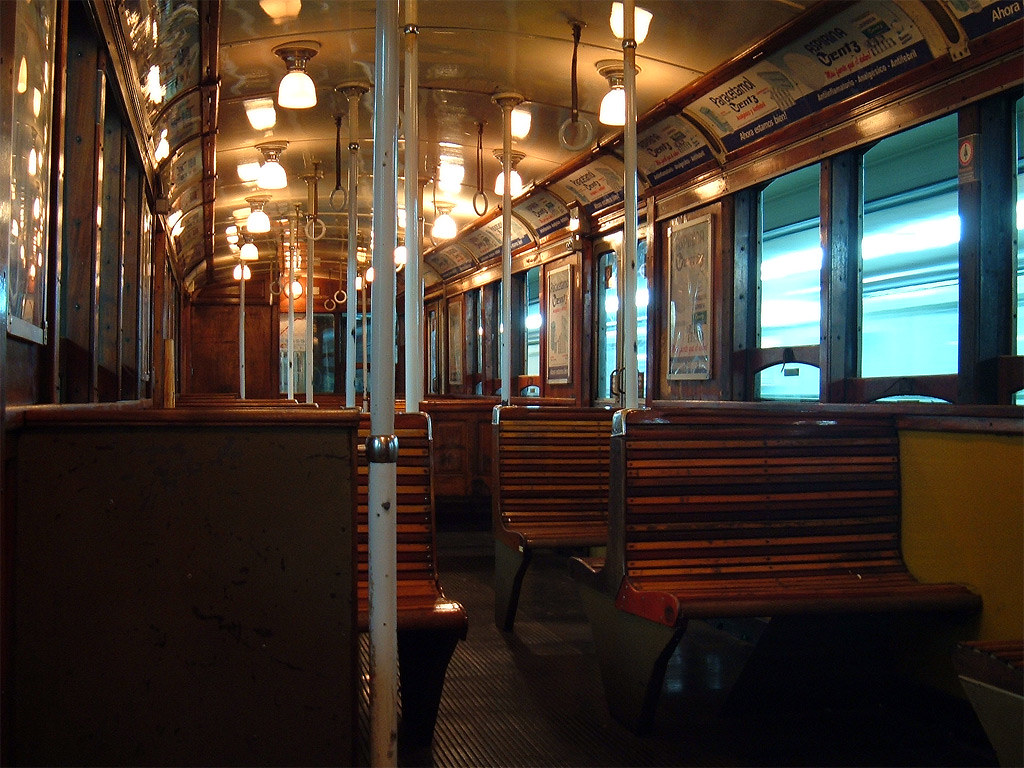
Train or Plane: Which Works Better?
The honest comparison is door to door, not gate to gate. A simple way to run the numbers.
Read guide
How to Plan a Multi-City Journey
Three cities in ten days can be relaxed or exhausting. The difference is usually the order.
Read guide